[Disclosure] This article contains affiliate links; we may earn a commission at no extra cost to you. Prices are approximate 2026 ranges — confirm in-store before buying.
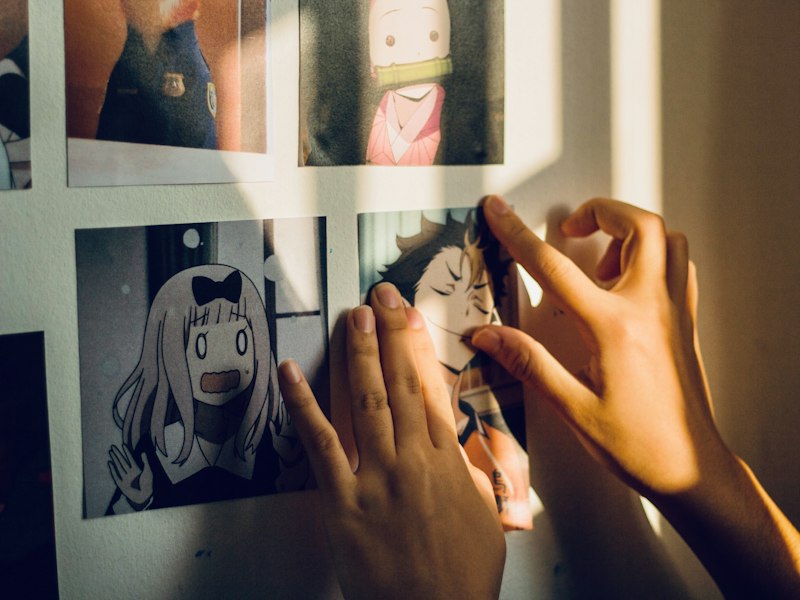
Japan's second-hand market has always been legendary, but in 2026, "retro tourism" has become one of the country's biggest draws. What exactly is retro-collector tourism in Japan? It is the ultimate physical treasure hunt for overseas visitors—especially Taiwanese, Korean, and Western otaku—seeking pristine used consoles, 90s Heisei-era toys, and rare subculture memorabilia you simply cannot find back home. Thanks to a highly favorable exchange rate and Japan’s unmatched culture of taking immaculate care of its possessions, 2026 is arguably the greatest time in history to pack an empty suitcase and go digging. Whether you are hunting for a boxed Super Famicom in Akihabara, chasing rare Kamen Rider CSM belts in Nakano Broadway, or diving into bargain "Junk" bins at suburban Hard-Off locations, this guide has you covered. You will learn exactly where to shop, how to navigate Japan's strict condition grading, what realistic prices look like right now, and how to safely ship your massive haul home.
What You'll Get From This Guide
- The Ultimate District Breakdown: Know exactly whether to head to Akihabara, Nakano, or Shimokitazawa based on your specific collecting goals.
- Realistic 2026 Pricing: Learn what you should actually be paying for Famicom games, Tamagotchis, and Kamen Rider belts right now.
- Store Tier Lists: Understand the difference between premium tourist spots (Super Potato) and local bargain hunting grounds (Hard-Off).
- Condition & Tax-Free Secrets: Decode Japanese used-item grading (what "Junk" actually means) and how to claim your 10% tax-free refunds.
- Collector Experiences: Discover retro arcades, gachapon halls, and food sample making classes to break up the shopping.
- Shipping & Logistics: Master the art of using Yamato Transport or EMS to get fragile diecast toys and consoles safely through customs.
The Retro Districts Map
As a hub overview, navigating Tokyo's sprawling retro scene requires knowing exactly which neighborhood serves your specific collecting niche.
- Nakano Broadway (Retro Toys & Figures): Located just a 5-minute walk from Nakano Station (North Exit), this multi-story indoor shopping complex is the undisputed holy grail for vintage toy collectors. It houses the massive Mandarake headquarters, split into over two dozen hyper-specialized micro-shops. Expect to see Heisei-era Tamagotchis priced anywhere from ¥2,000 to ¥15,000 (~$13–$100) and pristine 1980s Godzilla vinyls.
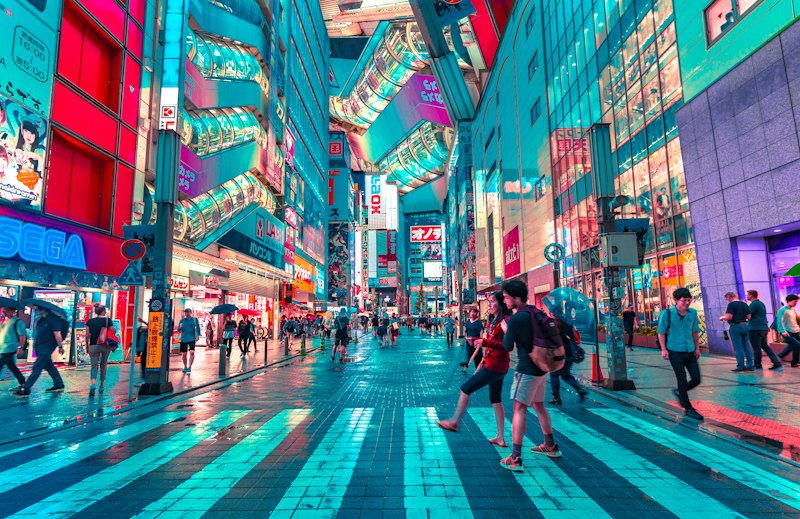
- Akihabara (Retro Games & Consoles): Just steps from the Electric Town Exit of Akihabara Station, this neon district is ground zero for retro gaming. Heavy-hitter shops like Super Potato, Surugaya, and Trader stock floor-to-ceiling Famicom, Super Famicom, and N64 cartridges. While selection is unmatched, prices carry a "tourist premium"—expect to pay ¥8,000 to ¥10,000 (~$53–$66) for a boxed console here.
- Ikebukuro Otome Road (Women's Anime & Goods): A 10-minute walk from Ikebukuro Station's East Exit, Otome Road caters heavily to female otaku. Anchored by the massive Animate flagship store, this area is best for hunting down second-hand acrylic stands, character plushies, and doujinshi via shops like K-Books and Lashinbang. Prices are highly competitive, generally ranging from ¥500 to ¥3,000 (~$3–$20).
- Shibuya (Vintage Records & Fashion): While known for the Scramble Crossing, Shibuya's Udagawacho neighborhood (a 10-minute walk from the station) is a haven for "crate digging." Tower Records still reigns supreme for new releases, but scattered independent shops offer incredible finds in vintage vinyl, hypebeast designer toys, and 90s streetwear.
- Shimokitazawa (Subculture & Thrift): Just a 2-minute walk from Shimokitazawa Station, this neighborhood is Tokyo's thrift capital. It is less about anime and more about analog subculture: vintage Americana clothing, 70s band tees, indie designer toys, and retro housewares.
| District | Primary Specialty | Key Target Audience | Top Stores | Avg. Walk from Station |
|---|---|---|---|---|
| Nakano | Vintage Toys, Cels, Figures | Hardcore Toy Collectors | Mandarake, Robot Robot | 5 mins |
| Akihabara | Retro Video Games, PC Gear | Retro Gamers, Otaku | Super Potato, Surugaya | 2 mins |
| Ikebukuro | Women's Anime Goods, Cosplay | Female Otaku, Cosplayers | Animate, K-Books | 10 mins |
| Shibuya | Vinyl Records, Hype Fashion | Audiophiles, Hypebeasts | Tower Records, Mandarake | 10 mins |
| Shimokitazawa | Thrift Clothing, Subculture | Vintage Fashion Enthusiasts | Hard-Off, Local Boutiques | 2 mins |
What to Collect
For the 2026 collector, the focus has heavily shifted toward Heisei-era (1989–2019) nostalgia alongside traditional mainstays.
- Heisei Retro Toys (Tamagotchi, Digimon): The late 90s digital pet boom is back. Original Japanese Tamagotchis and Digimon Pendulums are massive targets. Unboxed standard models run about ¥2,500 (
$16), while rare collaborations can exceed ¥20,000 ($130). - Diecast (Tomica, Plarail, Mini 4WD): Japan's miniature vehicle market is legendary. Vintage Tomica cars (especially the black-box era) and unbuilt Tamiya Mini 4WD kits from the 90s are highly sought after by Asian and Western collectors alike.
- Kamen Rider Henshin Belts & CSM: Tokusatsu fans flock to Japan for Kamen Rider gear. The premium Complete Selection Modification (CSM) belts are the ultimate prize. High-end sets like the CSM Faiz Gear can demand up to ¥130,000 (
$850) in mint condition at Surugaya, while standard DX driver belts sit comfortably at ¥3,000–¥6,000 ($20–$40). - Retro Nintendo (Famicom / Super Famicom / N64): Authentic original hardware is getting scarcer, but cartridges are plentiful. You can still dig up iconic titles like Chrono Trigger or Super Metroid in acceptable condition for under ¥2,000 (~$13) if you look outside central Akihabara.
- Gachapon & Miniature Toys: For budget collectors, gachapon (capsule toys) offer immense detail for just ¥300–¥500 (~$2–$3) a pop. Miniature dioramas and re-ment sets are easy to pack and highly collectible.
Where & How to Buy
Knowing the store tiers is critical for staying on budget and finding exactly what you need.
- Mandarake: The king of structured second-hand. They grade items flawlessly and have fair, fixed market prices. Best for rare toys, animation cels, and premium figures.
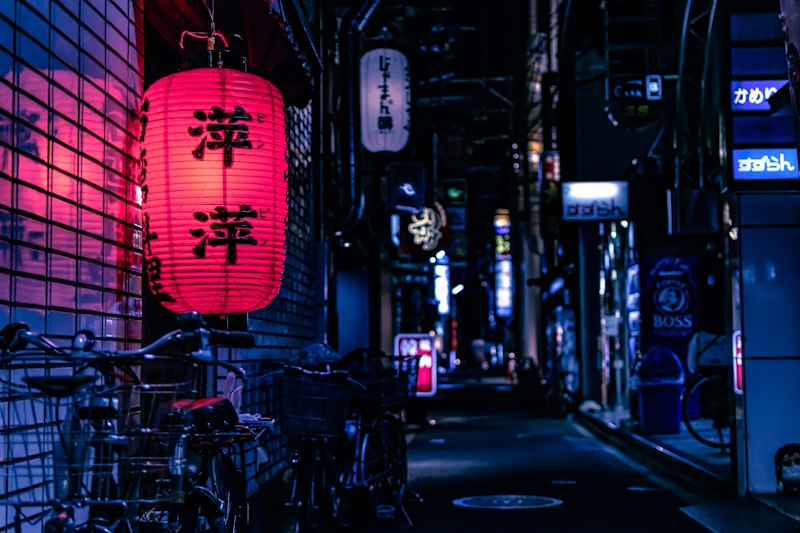
- Surugaya: A mid-tier chain with massive inventory and excellent pricing for Kamen Rider belts, boxed figures, and loose games. Their Akihabara and Shinjuku stores are packed to the brim.
- Super Potato: The premium tourist retro game shop. Prices are easily 20-40% higher than competitors, but they curate a museum-like experience and guarantee you will find the exact retro game you want.
- Hard-Off / Book-Off: The ultimate local bargain hunting grounds. Book-Off handles books, CDs, and standard games. Hard-Off handles hardware, instruments, and "Junk" bins. An unboxed Super Famicom in a suburban Hard-Off can cost as little as ¥1,500 (~$10).
When shopping, never haggle—it is culturally inappropriate. Understand Japan's strict grading system: "Rank A" is essentially brand new, "Rank B" has minor wear, and "Rank C" has visible flaws.
| Buying Method | Pros | Cons | Price Premium |
|---|---|---|---|
| Used (Tourist Shops) | Guaranteed stock, English friendly, Tax-free | Highest prices, crowded aisles | +20% to +40% |
| Used (Suburban Shops) | Hidden gems, lowest prices, "Junk" bins | Requires long train rides, no guaranteed stock | Base Price (-20%) |
| New (Retail) | Pristine condition, warranty, modern re-releases | Only for current-gen or modern reissues | Standard MSRP |
| Proxy (Buyee/Mercari) | Access to peer-to-peer deals from your hotel | Shipping fees, cannot inspect item in person | +10% (fees) |
Experiences
 In stock now on Rakuten¥1,000
Collector tourism isn't just about buying; it's about the interactive subculture.
- Food-Sample Making: Japan's hyper-realistic miniature fake food (sampuru) is a beloved collector's niche. You can actually make your own lettuce, tempura, and parfaits to take home. Book a food sample making experience & Tokyo activities on Klook to secure an English-friendly workshop in advance.
- Retro Arcades / Game Centers: Take a break from spending yen on plastic and drop some coins into vintage cabinets. Mikado in Takadanobaba is world-famous for 90s fighting game tournaments, while GiGO Akihabara and the 5th floor of Super Potato offer nostalgic sit-down candy cabinets.
- Gachapon Halls: Head to Ikebukuro Sunshine City, which hosts the world's largest capsule toy store with over 3,000 machines. It is an overwhelming sensory experience and the best place to dump your remaining ¥100 coins before a flight.
Getting It Home
Packing and logistics will make or break your trip.
- Shipping (Yamato / EMS): If you buy too much, you don't need to buy a second suitcase. If you end up buying more than you can carry, remember that fragile hauls can be shipped home directly from the airport or hotel via Yamato Transport, leaving your hands free for more sightseeing. A large box via Japan Post (EMS) back to the US or Europe generally costs ¥10,000–¥15,000 (~$66–$100) and arrives in about a week.
- Customs & Tax-Free Basics: Always keep your receipts. When leaving Japan, customs officers rarely inspect carry-on figures, but having your tax-free records digitally linked to your passport (done by the store at checkout) makes departure seamless. Remember, you must take the goods out of Japan.
- Protecting Fragile Collectibles: Stop by a Daiso or Seria (100-yen shops) and buy rolls of high-quality bubble wrap and hard plastic cases. Wrap loose game cartridges and diecast cars individually to prevent them from colliding in your checked luggage.
Frequently Asked Questions
Q: Are Akihabara retro game prices a rip-off in 2026?
Yes and no, depending entirely on where you shop and how much you value your vacation time. Heavy-hitter stores like Super Potato and Trader have fully realized that overseas tourists are willing to pay a premium. As a result, a loose copy of a popular Super Famicom game like EarthBound (Mother 2) might cost ¥10,000 ($66) in Akihabara, while the exact same cartridge sits in a suburban Book-Off for ¥3,300 ($22). However, Akihabara guarantees density and stock. If you are only in Tokyo for three days, spending an entire afternoon taking trains to deep-suburb Hard-Off locations in Saitama or Chiba to save $30 might not be worth the time lost. For hardcore collectors with days to spare, Akihabara is best treated as a museum, while the actual buying should happen in places like Nakano or Kichijoji.
Q: What does "Junk" (ジャンク) condition mean in Japanese stores?
In Western thrift stores, "junk" usually means an item is completely broken and headed for the landfill. In Japan's hyper-meticulous second-hand market, "Junk" simply means the store has not fully tested the item, it is missing a manual, or it has minor cosmetic damage like plastic yellowing. It is incredibly common for foreign collectors to buy a ¥500 ($3) "Junk" Game Boy or a ¥1,500 ($10) "Junk" Super Famicom console at a Hard-Off, take it back to their hotel, and find that it works perfectly fine after a quick wipe with rubbing alcohol. That said, it is still a gamble. When buying junk items, you cannot return them if they genuinely do not power on, so always inspect the battery contacts for corrosion before making your purchase.
Q: How does the 10% tax-free system work for used goods?
Japan offers a 10% consumption tax exemption for temporary visitors (tourists) who spend over ¥5,000 (excluding tax) at participating stores on a single calendar day. The beautiful part for collectors is that this applies to second-hand goods, too! Major chains like Mandarake, Surugaya, and Super Potato all offer tax-free shopping. You must bring your physical passport with the entry stamp (or the Trusted Traveler Program card) to the store—photos of your passport are strictly rejected. Some sprawling complexes, like Mandarake in Nakano Broadway, allow you to combine receipts from multiple of their micro-storefronts at a centralized tax-free counter at the end of your trip. Just keep in mind that smaller mom-and-pop retro shops or distant suburban Hard-Off locations may not have the infrastructure to process tax-free transactions, so expect to pay the sticker price there.
Q: Can I haggle for a better price on expensive collectibles?
No. Haggling is not a part of Japanese retail culture, even in the bustling aisles of Nakano Broadway or Akihabara's backstreet electronics shops. The price you see on the sticker is exactly what you will pay, and attempting to negotiate will only cause deep embarrassment and confusion for the store staff. Second-hand retailers in Japan price their items based on a very strict, highly standardized grading system (e.g., Rank A for mint, Rank B for slight wear). If a Kamen Rider CSM belt is priced at ¥80,000, that price was calculated systematically based on current domestic market value and condition. If you want a cheaper price, you need to look for a lower-graded version of the same item, such as an unboxed version or a Rank C variant with visible scratches.
Q: Do Japanese retro consoles (Famicom/N64) work on foreign TVs?
It depends heavily on where you live and what type of television setup you have. For North American collectors, Japanese consoles operate on the NTSC-J standard, which is nearly identical to NTSC-U, meaning they will display perfectly on older CRT televisions. Japan also uses 100V power, which is close enough to the US 120V that Japanese power supplies will generally work, though a step-down converter is highly recommended for long-term safety. For European or Australian collectors (PAL regions), Japanese NTSC consoles will require both a step-down voltage converter (220V to 100V) and a TV capable of reading 60Hz NTSC signals, or else the image will roll or display in black and white. Region locking is another hurdle; a Japanese Super Famicom cartridge will not physically fit into a US Super Nintendo without modifying the cartridge slot, though third-party adapters bypass this easily.
Bottom Line
Retro-collector tourism in Japan remains the ultimate pilgrimage for otaku and hobbyists, offering an unparalleled combination of sheer volume, immaculate item condition, and a highly favorable 2026 exchange rate. However, it is NOT for casual travelers who are easily overwhelmed by crowded, dusty aisles or those who expect every centralized store in Akihabara to offer rock-bottom flea market prices. If you are willing to hunt off the beaten path, embrace the "Junk" bins, and systematically ship your hauls properly, you will return home with museum-quality pieces of gaming and toy history.