[Disclosure] This article contains affiliate links. We may earn a commission at no extra cost to you.
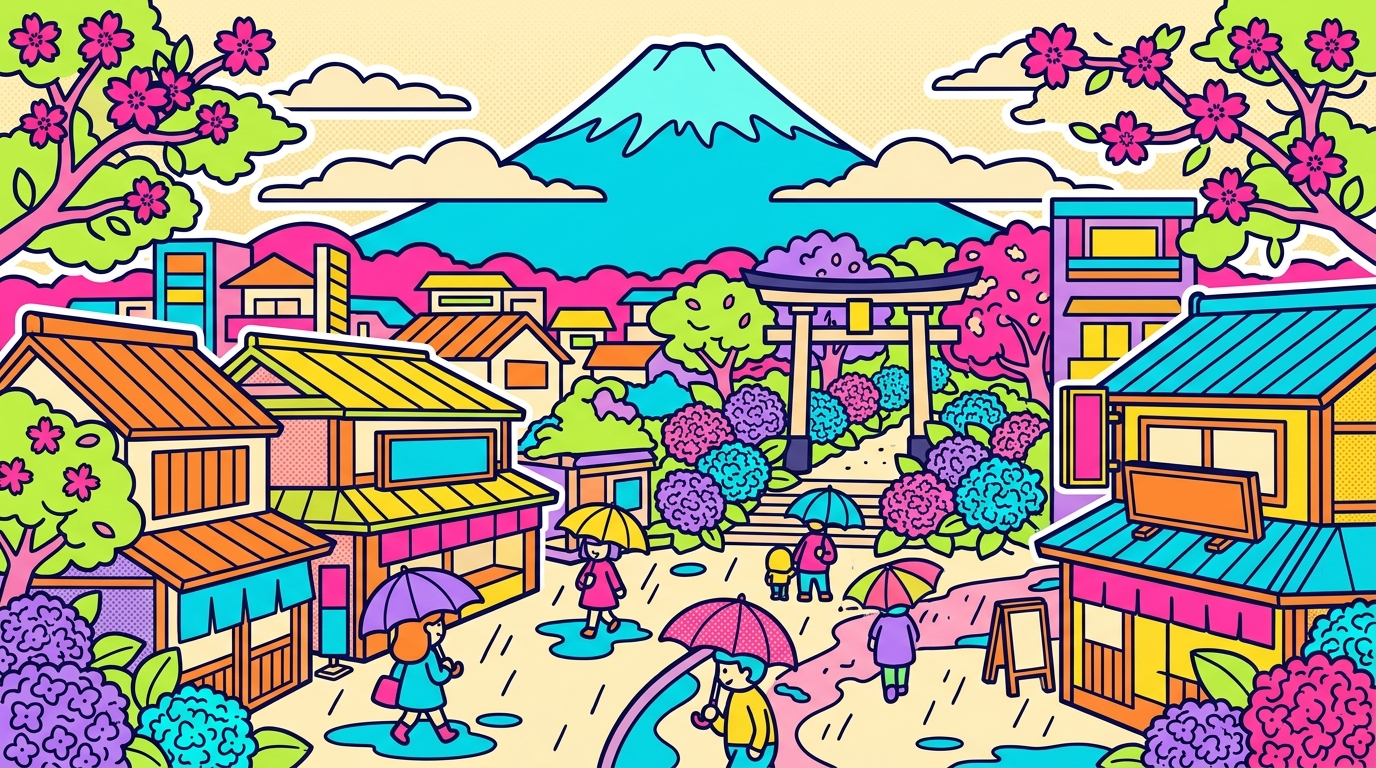
Planning a Japan trip for June 2026? You're stepping into "Tsuyu" (梅雨), Japan's rainy season. While generic guides might paint a gloomy picture, portraying endless downpours, the reality for an in-the-know traveler is far from that. Tsuyu is a season of lush, vibrant greenery, fewer crowds in popular outdoor spots (if you know where to look), and the spectacular bloom of hydrangeas, which thrive in the damp conditions. This isn't a season to avoid, but one to embrace with the right strategy. This guide cuts through the fluff, providing granular detail on how to pivot your itinerary to genuinely enjoy June 2026, offering specific, local-level insights into the best indoor activities and the most breathtaking hydrangea spots, complete with 2026 pricing estimates and exact directions. You'll learn how to navigate the weather like a local, discover hidden gems, and avoid common tourist pitfalls.
What You'll Get From This Guide
- Real-time 2026 price estimates for attractions in Yen and USD.
- Hyper-specific directions including train lines, station exits, and walking times.
- Local tips to enhance your rainy season experience and avoid common tourist traps.
- Curated lists of the best indoor activities in Tokyo and Kansai.
- Detailed descriptions of top hydrangea viewing spots, including peak bloom times.
- Honest assessment of what to expect, covering humidity and crowd dynamics.
Understanding Japan's June 2026 Rainy Season (Tsuyu)
Japan's rainy season, or Tsuyu, typically runs from early June to mid-July across most of Honshu (the main island). It's driven by a seasonal rain front that brings increased precipitation and humidity. However, a common misconception among first-time visitors is that it means constant, heavy rain. This is rarely the case. While you will encounter rainy days, they are often intermittent, with periods of light drizzle, scattered showers, or even clear spells. The more significant challenge for many travelers is the humidity, which can make temperatures feel warmer than they are.
When to Expect the Rain (and Where)
For June 2026, expect the rainy season to be in full swing across Tokyo, Kyoto, Osaka, and most of central and southern Japan. Okinawa experiences Tsuyu earlier (May to mid-June), while Hokkaido often escapes it entirely or has a much milder, shorter period.
- Early June: Typically marks the start in Kanto (Tokyo) and Kansai (Kyoto/Osaka) regions.
- Mid-June: Peak rainy season, but also peak hydrangea bloom.
- Late June: Still very much Tsuyu, with often heavier downpours towards the end as the front moves north.
Packing Smart for Tsuyu 2026
Forget fashion, think function. Your packing list for June 2026 should prioritize quick-drying materials.
- Waterproof/Water-resistant Outerwear: A light rain jacket or poncho is essential.
- Waterproof Shoes: GORE-TEX sneakers or stylish waterproof boots will save your feet from misery.
- Compact Umbrella: While convenience stores sell cheap umbrellas (¥600 / ~$3.90 USD), they're flimsy. Local Tip: Grab a sturdier, larger umbrella from Daiso or a Don Quijote for ¥500-¥1,000 / ~$3.20-$6.50 USD. They offer better coverage and durability.
- Moisture-Wicking Clothes: Synthetics or merino wool. Avoid heavy cotton that takes ages to dry.
- Foldable Bag: For wet clothes or unexpected souvenir purchases.
- Anti-Humidity Items: Travel-sized deodorant, cooling wipes, and even small portable fans (readily available in Japan for ¥1,000-¥2,000 / ~$6.50-$13 USD) will be your best friends.
Tokyo's Best Indoor Escapes for June 2026
When the skies open up, Tokyo offers an unparalleled array of world-class indoor attractions. Move beyond the generic guides and dive into experiences that will truly enrich your trip.
Dive Deep into Art & Culture (Museums & Galleries)
- Ghibli Museum (Mitaka): This is the must-visit for Hayao Miyazaki fans, but be warned: tickets for June 2026 will sell out almost immediately when released (usually the 10th of the month, three months prior). It is impossible to walk up and buy tickets. Plan months in advance.
- Price (2026 Estimate): ¥1,000 / ~$6.50 USD (Adults)
- Access: Mitaka Station (JR Chuo Line), South Exit. From there, it's a pleasant 15-minute walk along the "Kaze no Sanpomichi" (Windy Walk), or take the Ghibli Museum community bus from Platform 9 for ¥210 / ~$1.40 USD one-way.
- Mori Art Museum (Roppongi): Located on the 53rd floor of Roppongi Hills Mori Tower, this museum showcases contemporary art exhibitions that frequently change, offering something new with each visit. It's often combined with Tokyo City View, providing breathtaking panoramic cityscapes (partially covered, so still great in rain).
- Price (2026 Estimate): ¥2,200-¥2,800 / ~$14-$18 USD (Standard admission, varies by exhibition)
- Access: Roppongi Station (Tokyo Metro Hibiya Line/Toei Oedo Line), direct access from Exit 1C into Roppongi Hills. Take the dedicated elevator to the 53rd floor.
- Tokyo National Museum (Ueno Park): Japan's oldest and largest museum, boasting an extensive collection of Japanese and Asian art and archaeological artifacts. It's so vast you could spend an entire rainy day exploring its multiple buildings (Honkan, Toyokan, Heiseikan).
- Price (2026 Estimate): ¥1,000 / ~$6.50 USD (Standard admission)
- Access: Ueno Station (JR Yamanote Line/Keihin-Tohoku Line/Ginza Line/Hibiya Line), "Park Exit." Approximately a 10-minute walk through Ueno Park.
Retail Therapy & Gourmet Adventures (Shopping Malls & Depachika)
- Shinjuku Isetan Department Store: More than just a department store, Isetan Shinjuku is a cultural experience. Its depachika (basement food hall) is legendary, offering an overwhelming array of gourmet foods, bentos, and sweets perfect for a rainy day picnic. Explore floors dedicated to fashion, homeware, and cosmetics.
- Access: Shinjuku-Sanchome Station (Tokyo Metro Marunouchi Line/Fukutoshin Line), direct access from Exit B4/B5. Approximately a 5-minute walk from JR Shinjuku Station's East Exit.
- Ginza Six: A modern luxury shopping complex in Ginza, housing international and Japanese high-end brands. The rooftop garden on the 13th floor is partially covered, offering a unique perspective of Ginza even in light rain. Don't miss the underground art installations.
- Access: Ginza Station (Tokyo Metro Ginza Line/Marunouchi Line/Hibiya Line), 2-minute walk from Exit A3.
- Tokyo Character Street (Tokyo Station): Located in the basement of Tokyo Station, this vibrant area is a paradise for fans of anime, manga, and popular Japanese characters. You can spend hours browsing specialized shops like Jump Shop, Pokemon Store, and many more, all without stepping outside.
- Access: Directly connected to Tokyo Station (JR Lines/Tokyo Metro Marunouchi Line). Follow signs for "Character Street" in the Yaesu North Passage.
Unconventional Indoor Fun
- teamLab Planets TOKYO DMM (Toyosu): An immersive digital art museum that's a sensory wonderland. You walk barefoot through various installations, some with shallow water. It's an ideal rainy day activity as it's entirely indoors and offers a truly unique experience.
- Price (2026 Estimate): ¥3,800-¥4,200 / ~$24.50-$27 USD (Varies by date/time, book in advance)
- Access: Shin-Toyosu Station (Yurikamome Line), 1-minute walk.
- Kappabashi Kitchenware Street (Partially Covered): For the culinary enthusiast, explore this fascinating street dedicated to kitchen goods. While the street itself is outdoors, many shops are quite deep, and there are plenty of covered sections and arcades to duck into, making it manageable even on a rainy day.
- Access: Tawaramachi Station (Tokyo Metro Ginza Line), 5-minute walk from Exit 3.
Kansai Region's Rainy Day Gems (Osaka & Kyoto)
The Kansai region also boasts exceptional indoor attractions perfect for Tsuyu.
Kyoto's Covered Markets & Traditional Crafts
- Nishiki Market ("Kyoto's Kitchen"): This bustling, narrow shopping street is almost entirely covered, making it an excellent rainy-day activity. Explore hundreds of stalls selling local produce, pickled vegetables, fresh seafood, and traditional Kyoto snacks. It's a culinary journey in itself.
- Access: Shijo Station (Kyoto Municipal Subway Karasuma Line) or Karasuma Station (Hankyu Kyoto Line), approximately a 5-minute walk.
- Kyoto International Manga Museum: Housed in a former elementary school, this museum offers an extensive collection of manga, from historical works to contemporary hits. You can sit and read manga all day, making it a perfect escape from the rain.
- Price (2026 Estimate): ¥900 / ~$5.80 USD (Adults)
- Access: Karasuma-Oike Station (Kyoto Municipal Subway Karasuma Line/Tozai Line), 2-minute walk from Exit 2.
- Kyoto Museum of Crafts and Design (Miyakomesse): A hidden gem that showcases the incredible traditional crafts of Kyoto, from textiles to ceramics. Entry is free, and it offers a quiet, insightful look into the city's artistic heritage.
- Access: Higashiyama Station (Kyoto Municipal Subway Tozai Line), 10-minute walk from Exit 1.
Osaka's Underground City & Entertainment
- Umeda Underground City (Whity Umeda / HEP Five / Grand Front Osaka): Osaka's Umeda district boasts one of Japan's most extensive underground shopping and dining networks. You can easily spend hours exploring Whity Umeda, connecting to major department stores like Hankyu and Hanshin, or venturing to HEP Five (with its indoor Ferris wheel!) and Grand Front Osaka – all without surfacing.
- Access: Directly connected to Umeda Station (various JR, Hankyu, Hanshin, and subway lines). Follow the extensive underground signage.
- Osaka Aquarium Kaiyukan: One of Japan's largest public aquariums, renowned for its massive central tank housing whale sharks. It's completely indoors and provides a captivating journey through various marine ecosystems.
- Price (2026 Estimate): ¥2,700-¥2,900 / ~$17.50-$18.70 USD (Adults)
- Access: Osakako Station (Osaka Metro Chuo Line), 5-minute walk from Exit 1.
- Shinsekai & Tsutenkaku Tower: While Shinsekai itself is an outdoor retro district, the main draw, Tsutenkaku Tower, offers indoor observation decks. The surrounding area has covered shotengai (shopping streets) and arcades, allowing for exploration with minimal rain exposure.
- Price (2026 Estimate): Tsutenkaku Tower ¥900 / ~$5.80 USD (Adults)
- Access: Ebisucho Station (Osaka Metro Sakaisuji Line), 3-minute walk from Exit 3.
Chasing Hydrangeas: Japan's Rainy Season Bloom Spots
The rain is a blessing for Japan's beloved hydrangeas (ajisai), which burst into vibrant blues, purples, and pinks during Tsuyu. These spots offer some of the most stunning floral displays, often enhanced by the damp atmosphere.
Kamakura's Iconic Hydrangea Temples (Kanto Region)
- Meigetsu-in Temple (明月院) — The Hydrangea Temple: This Zen temple is arguably the most famous hydrangea spot in Kamakura. Its distinct "Meigetsu-in Blue" hydrangeas, often called Hime Ajisai (Princess Hydrangea), line the paths, creating a mystical atmosphere. The iconic round window ("Window of Enlightenment") is also stunning, especially framed by rain-kissed greenery.
- Peak Bloom: Mid-June
- Price (2026 Estimate): ¥500 / ~$3.20 USD (Adults)
- Access: Kita-Kamakura Station (JR Yokosuka Line), 10-minute walk.
- Local Tip: This temple gets incredibly crowded. To truly experience its serenity, arrive right at opening (9:00 AM) or visit in the late afternoon (after 4:00 PM). Weekdays are always better.
- Hase-dera Temple (長谷寺): Known for its massive Kannon statue, Hase-dera also boasts a hillside "Hydrangea Path" (Ajisai-dō) with thousands of hydrangeas of various types, offering stunning views of the ocean.
- Peak Bloom: Mid-June
- Price (2026 Estimate): ¥400 / ~$2.60 USD (Adults)
- Access: Hase Station (Enoshima Electric Railway/Enoden Line), 5-minute walk.
Kyoto's Serene Hydrangea Gardens (Kansai Region)
- Mimurotoji Temple (三室戸寺) — Hydrangea Temple of Kansai: Located in Uji, this temple is famous for its vast hydrangea garden, home to approximately 10,000 hydrangeas of 50 varieties. The scale is truly impressive, creating a sea of color.
- Peak Bloom: Mid-June to early July
- Price (2026 Estimate): ¥1,000 / ~$6.50 USD (Adults, during hydrangea season)
- Access: Mimurodo Station (Keihan Uji Line), 15-minute uphill walk.
- Local Tip: The walk from the station to the temple is steep. Wear comfortable, waterproof shoes, and consider a taxi if you have mobility concerns, especially on a rainy day.
- Fushimi Inari-taisha Shrine (伏見稲荷大社): While not a dedicated hydrangea garden, the lower paths and smaller, less-trafficked garden areas around the base of the mountain at Fushimi Inari have beautiful hydrangeas that offer a quiet respite from the main throng of torii gates. This allows you to combine an iconic Kyoto experience with some floral appreciation.
- Price: Free
- Access: Inari Station (JR Nara Line), 1-minute walk from the station. Or, Fushimi-Inari Station (Keihan Main Line), 5-minute walk.
Off-the-Beaten-Path Hydrangea Views (Hakone)
- Hakone Open-Air Museum (彫刻の森美術館): This unique museum seamlessly blends art and nature. While primarily known for its outdoor sculptures, it features beautifully maintained gardens, including a section with hydrangeas that thrive in Hakone's damp climate. There are also many covered galleries and a footbath for respite from the rain.
- Price (2026 Estimate): ¥1,600 / ~$10.30 USD (Adults)
- Access: Chokoku No Mori Station (Hakone Tozan Railway), 2-minute walk.
- Hakone Tozan Railway ("Hydrangea Train"): From mid-June to early July, the Hakone Tozan Railway transforms into the "Ajisai Densha" (Hydrangea Train). As the train slowly ascends the mountain, you'll see hydrangeas blooming right alongside the tracks, sometimes so close you could almost touch them.
- Price: Standard train fare (e.g., Odawara to Gora is around ¥450 / ~$2.90 USD)
- Overrated Warning: While popular, the special "Night Illumination" trains can be incredibly crowded, hard to book, and views are often obscured by fellow passengers or condensation on windows. A daytime ride offers a more authentic and less stressful experience to appreciate the flowers.
Cost Breakdown: Navigating June 2026 on a Budget
Here's an estimated daily budget for a mid-range traveler in June 2026, focusing on a mix of indoor activities and local food. (Exchange rate used: ¥155 = $1 USD, for consistency.)
| Category | Item Description | Estimated Cost (¥) | Estimated Cost (USD) |
|---|---|---|---|
| Accommodation | 3-star hotel (Tokyo/Kyoto) | ¥12,000 | ~$77 |
| Transportation | Local train/subway (IC Card average) | ¥1,500 | ~$9.70 |
| Food & Drink | Breakfast (conbini/cafe) | ¥800 | ~$5.20 |
| Lunch (casual restaurant/bento) | ¥1,500 | ~$9.70 | |
| Dinner (mid-range restaurant) | ¥3,000 | ~$19.40 | |
| Coffee/snacks | ¥1,000 | ~$6.50 | |
| Activities | Museum/Attraction Entry (e.g., Mori Art Museum) | ¥2,500 | ~$16.10 |
| Hydrangea Temple Entry (e.g., Meigetsu-in) | ¥500 | ~$3.20 | |
| Miscellaneous | Umbrella (sturdy, from Don Quijote) | ¥700 | ~$4.50 |
| Small souvenirs/personal care | ¥1,500 | ~$9.70 | |
| Daily Total (Est.) | ¥23,500 | ~$151 |
This budget is a baseline. You can spend more on luxury dining or less by relying on convenience store meals. Booking accommodation well in advance for June 2026 can help secure better rates. Consider a Japan Rail Pass only if your itinerary involves significant long-distance travel, as local transit costs are usually managed well with an IC card (Suica/Pasmo).