[Disclosure] This article contains affiliate links. We may earn a commission at no extra cost to you.
Countless tourists walk into a glowing Big Echo in Shinjuku's Kabukicho at 9:00 PM on a Friday, sing for two hours, and get slapped with a ¥7,000 (~$46 USD) bill for two people. They leave feeling scammed, wondering whatever happened to the "cheap Japanese karaoke" they saw on TikTok.
Japanese karaoke isn't a public bar with a shared stage; it consists of private rooms (karaoke boxes) rented by time. But the pricing system is a minefield of hidden charges, mandatory drink minimums, weekend penalties, and member-only tiers. If you can't read the fine print on the Japanese signboards, you are guaranteed to overpay.
This guide exists to strip away the confusion. We are going to decode the notorious 2026 pricing structures, explain why the giant "¥150" signs on the street are lying to you, and show you exactly how to navigate the "Drink Bar" system so you can sing your heart out without draining your travel budget.
What You'll Get From This Guide
- The truth about the deceptive "¥150" street signs and hidden fees.
- How to choose between 30-minute blocks and "Free Time" (flat-rate) deals.
- A breakdown of the mandatory "One-Drink Rule" that catches foreigners off guard.
- 2026 price and vibe comparisons of Japan's top 5 karaoke chains.
- Step-by-step instructions on checking in and ordering via Japanese tablets.
- Local tips on finding the cheapest daytime slots and BYOB (Bring Your Own Booze) friendly chains.
The Golden Rule of Japanese Karaoke Pricing
The biggest tourist mistake is assuming Japanese karaoke has a flat hourly rate. It doesn't. Pricing fluctuates wildly based on three factors: Time of day, Day of the week, and Membership status.
The "Daytime" vs. "Nighttime" Divide
Karaoke joints split their operating hours into two distinct zones.
- Daytime (昼 - Hiru): Usually from opening (around 10:00 AM or 11:00 AM) until 6:00 PM or 7:00 PM. This is ridiculously cheap. A 30-minute block might cost ¥250 (~$1.65 USD).
- Nighttime (夜 - Yoru): From 7:00 PM until closing (often 5:00 AM). Prices instantly triple or quadruple. That same 30-minute block leaps to ¥800 (~$5.30 USD).
The Weekend Penalty
Friday nights, weekends, and national holidays carry a premium. Expect a 20% to 30% markup on top of the already inflated nighttime rates.
The Local Truth: The giant neon sign outside Karaokekan in Shibuya Center Gai that advertises "¥180" is a classic bait-and-switch. That price is per 30 minutes, per person, during the daytime, on a weekday, for registered members only, and it completely excludes the mandatory drink you are legally required to buy upon entering. Non-members walking in at 8 PM on a Saturday will pay closer to ¥1,000 (~$6.60 USD) per 30 minutes.
30-Minute Blocks vs. "Free Time" (フリータイム)
When you reach the front desk, the clerk will ask how long you want to stay. You have two billing paths.
1. The 30-Minute Increment (30分制)
You pay per 30 minutes. If you reserve 2 hours, you pay for four blocks. This is best if you only want a quick pre-dinner singing session or want to kill 90 minutes while waiting for your bullet train.
2. Free Time (フリータイム)
"Free Time" is a mistranslation that confuses tourists daily. It does not mean free; it means a flat-rate block of time. Chains usually offer a Daytime Free Time (e.g., 11:00 AM to 7:00 PM) and a Nighttime Free Time (e.g., 11:00 PM to 5:00 AM).
If you plan to stay longer than 2.5 hours, Free Time is almost always cheaper. It is the ultimate local strategy for missing the last train; paying ¥2,500 (~$16.60 USD) to sing and sleep on a karaoke sofa until 5:00 AM is much cheaper than booking a last-minute business hotel. (Though if you prefer a real bed, always Search best hotels in Japan on Booking.com beforehand).
2026 Scenario Comparison: Shinjuku Weekend (Non-Member)
| Time & Plan | Karaoke Chain | Duration | Base Room Cost per Person | Mandatory Drink/Bar | Total Est. Cost (JPY) | Total Est. Cost (USD) |
|---|---|---|---|---|---|---|
| Sat 2:00 PM (30-min blocks) | Uta Hiroba | 2 Hours (4 blocks) | ¥1,000 (¥250/block) | Included in room | ¥1,000 | ~$6.60 |
| Sat 8:00 PM (30-min blocks) | Big Echo | 2 Hours (4 blocks) | ¥3,600 (¥900/block) | ¥600 (One-drink rule) | ¥4,200 | ~$28.00 |
| Sat 11:30 PM (Free Time) | Karaokekan | Until 5:00 AM | ¥3,200 (Flat rate) | ¥600 (One-drink rule) | ¥3,800 | ~$25.30 |
Note: Prices reflect standard Kabukicho/Shibuya tourist zone rates in late 2026. Exchange rate approx ¥150 = $1 USD.
The Mandatory "One-Drink Rule" vs. Drink Bar
Here is where tourists hemorrhage money. At 90% of Japanese karaoke chains, you cannot just rent the room. You are subject to the Wan-O-Daa-Sei (ワンオーダー制 - One Order System).
The One-Drink Minimum
Regardless of your room fee, every single person in your group MUST order at least one item from the menu (usually a drink) immediately upon checking in. A basic iced oolong tea or a draft beer will cost ¥500 to ¥800 (~$3.30–$5.30 USD). If you only stay for 30 minutes, this one-drink rule drastically inflates your short stay.
The "Drink Bar" (ドリンクバー)
Instead of a single drink, you can often pay a flat fee for the "Drink Bar." This grants you unlimited access to a self-serve machine dispensing Coca-Cola, melon soda, iced coffee, and hot teas. A Drink Bar add-on typically costs ¥600 to ¥900 (~$4.00–$6.00 USD) for your entire stay. If you're staying for 2+ hours, always choose the Drink Bar.
Nomihodai (飲み放題 - All-You-Can-Drink Alcohol)
For groups looking to party, you can add an alcohol nomihodai package. In 2026, standard 2-hour alcohol packages run about ¥2,000 to ¥3,000 (~$13.30–$20.00 USD) per person on top of the room fee.
Which Karaoke Chain Should You Choose?
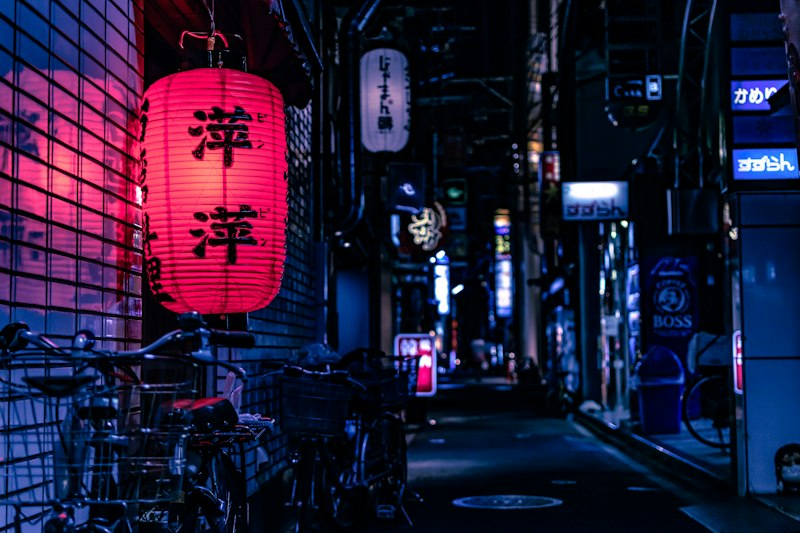
Not all karaoke joints are created equal. Here is the 2026 landscape of major Japanese chains.
| Karaoke Chain | Best For | Typical Drink System | English Friendliness | Vibe / Perks |
|---|---|---|---|---|
| Karaokekan (カラオケ館) | Tourists / Convenience | One-Drink Minimum | Excellent (Tablets in EN) | The blue/red signs you see everywhere. The "McDonalds" of karaoke. Standard pricing. |
| Big Echo (ビッグエコー) | High-quality food / Couples | One-Drink Minimum | Very Good | Premium feel, excellent sound proofing, high-end food menu. Expensive at night. |
| Manekineko (まねきねこ) | Budget / Groups / BYOB | Drink Bar usually required | Good | BYOB allowed (持ち込みOK). Bring in konbini booze and snacks legally! Very cheap. |
| Uta Hiroba (ジャンカラ) | Daytime singing | Drink Bar Included | Fair | Dominant in Kansai (Osaka/Kyoto) as Jankara. The absolute cheapest chain because the Drink Bar is built into the base room rate. |
| Pasela (パセラ) | Luxury / Anime Collabs | One-Drink Minimum | Excellent | Balinese resort theme. Famous for their massive honey toast desserts and anime collab cafes. |
Local Tip: If you want to drink on a budget, find a Manekineko. It is one of the only major chains that officially allows Mochikomi (bringing outside food and drink). You can buy a grocery bag full of Strong Zeros and FamilyMart fried chicken, rent a room, and legally consume it all inside. Karaokekan or Big Echo will fine you or kick you out if they catch you doing this.