[PR] This article contains affiliate links.
Fukuoka is one of Japan’s most dynamic transit hubs, making it the perfect launchpad for regional exploration. While the city itself offers incredible dining and shopping, looking just slightly south into Fukuoka Prefecture unlocks two of Kyushu’s most historically rich and visually stunning destinations: the canal city of Yanagawa and the culturally profound Dazaifu Tenmangu Shrine.
For travelers arriving via the nearby international terminal, exploring the surrounding Fukuoka area is an excellent way to begin your Kyushu adventure. (If you are arriving at the airport and immediately looking to venture further south, this day trip is a natural companion to your arrival; see our Klook Kagoshima free Shinkansen campaign guide for details on heading to southern Kyushu). You might also consider exploring urban art exhibits like teamLab Forest Fukuoka while in the city center.
Combining Yanagawa’s traditional donko-bune (punt boat) river cruise with the sacred grounds of Dazaifu Tenmangu into a single day trip is one of the most rewarding itineraries you can build from Fukuoka. Thanks to the Nishitetsu train network, doing this on your own is entirely feasible. However, it requires careful logistical planning. Between one-way boat routes, winter kotatsu boat schedules, daylight hours, and the intricacies of sightseeing passes, going in prepared is essential.
This massive, exhaustive 2026 guide will walk you through exactly how to plan a Fukuoka day trip combining Yanagawa and Dazaifu Tenmangu. We will cover the specific Nishitetsu train routes, the differences between the boat companies, what to expect from the winter kotatsu boats, how to secure the Nishitetsu Dazaifu-Yanagawa Sightseeing Ticket, and how a DIY day compares to booking a guided tour.
1. Understanding the Destinations
Before diving into the logistics of train connections and pass purchases, it is important to understand what makes these two destinations so deeply revered by both domestic and international travelers.
Yanagawa: The City of Water
Located in the southern part of Fukuoka Prefecture, Yanagawa is famously known as the "City of Water." Originally a farming village, it was transformed into a castle town characterized by an intricate network of moats and canals. Today, navigating these canals on a donko-bune—a traditional flat-bottomed punt boat guided by a boatman using a long bamboo pole—is the city's premier attraction. The waterways weave past weeping willows, historic storehouses with white namako walls, and quiet residential areas, offering a serene glimpse into historical Japan.
Dazaifu Tenmangu Shrine
Dazaifu Tenmangu is one of Japan's most important Shinto shrines, dedicated to Sugawara Michizane, an illustrious scholar, poet, and politician of the Heian period. After being unjustly exiled to Dazaifu, he passed away in the year 903. According to shrine legend, the ox cart carrying his remains suddenly stopped and refused to move any further; he was buried right there, and the shrine was subsequently built over his grave. Today, Michizane is deified as Tenjin-sama, the kami (deity) of learning, culture, and the arts. Students from across Japan flock here to pray for academic success, but the shrine's stunning architecture, vast plum gardens, and profound historical atmosphere make it a must-visit for any traveler.
2. Which Order is Best? Planning Your Day
Because you are tackling two major destinations in one day, the order in which you visit them is critical. Your decision should be dictated by operating hours, particularly in the winter.
The constraints you must work around:
- Boat Reception Cutoffs: River cruise reception windows close surprisingly early. If you use the Nishitetsu Sightseeing Ticket, the last cruise reception at the designated pier is 15:00. Other companies, like Daito Enterprise, have a last entry of 15:30 between December and February.
- Shrine Closing Times: Dazaifu Tenmangu’s gates close at 18:30 from December to March (closing times extend slightly to 19:00 or 19:30 in warmer months, but always check on arrival).
- Transit Time: You will need roughly an hour to travel between Dazaifu and Yanagawa (via a transfer at Nishitetsu-Futsukaichi).
Recommendation: Yanagawa First, Dazaifu Second (For Winter Travelers)
If you are traveling during the shorter days of winter, heading to Yanagawa first is generally the safer strategy. You can arrive in Yanagawa by mid-morning, enjoy the 60-minute river cruise, have lunch (perhaps trying the local specialty, steamed eel), and then take the train up to Dazaifu in the early afternoon. Arriving at Dazaifu around 15:00 gives you ample time to explore the shrine grounds, visit the museum, and browse the approach street before the 18:30 winter closing time.
Alternative: Dazaifu First, Yanagawa Second
If you are an early riser, you can reach Dazaifu Tenmangu right when the grounds open (6:30 AM from the autumn equinox day, or 6:00 AM from the spring equinox day). Visiting the shrine in the crisp, quiet early morning is a magical experience. You can then hop on the train to Yanagawa by late morning. However, you must be extremely mindful of the clock to ensure you arrive at the Yanagawa boat piers before the 15:00 or 15:30 cutoffs.
Practical Tip: No matter which order you choose, a morning start is wise. Do not attempt to start this day trip after 11:00 AM, or you will likely miss out on one of the main attractions.
3. Transport Overview & Route Table
Accessing both Yanagawa and Dazaifu is done almost entirely via the Nishitetsu (Nishi-Nippon Railroad) train network, not JR. For most tourists staying in central Fukuoka, your starting point will be Nishitetsu Fukuoka (Tenjin) Station, conveniently located in the bustling Tenjin district.
If you are trying to decide how to pay for these individual trips without a pass, checking out our guide on the best IC cards for tourists in Japan will help you tap in and out of the Nishitetsu network with ease.
How to Get There from Central Fukuoka
- Tenjin to Yanagawa: Take the Nishitetsu Tenjin Omuta Line directly from Nishitetsu Fukuoka (Tenjin) Station to Nishitetsu Yanagawa Station. The journey takes about 50 minutes on a limited express train.
- Tenjin to Dazaifu: Take the Nishitetsu Tenjin Omuta Line from Nishitetsu Fukuoka (Tenjin) Station heading toward Omuta or Nishitetsu-Ogori. You must get off and change trains at Nishitetsu-Futsukaichi Station. From there, transfer to the Nishitetsu Dazaifu Line to Dazaifu Station. The total travel time is about 35 minutes, according to Dazaifu Tenmangu's access page. (The leg from Futsukaichi to Dazaifu is just two stops and takes about 6 minutes).
- Warning: Do not confuse Nishitetsu-Futsukaichi Station with JR Futsukaichi Station. They are different stations, and you need the Nishitetsu station for this route.
- Hakata Station to Dazaifu by Train: If your hotel is near Hakata Station, take the Fukuoka City Subway (Kuko Line) from Hakata to Tenjin Station. Walk above ground or through the underground mall to Nishitetsu Fukuoka (Tenjin) Station, and follow the train directions to Dazaifu above. Allow about 50 minutes total including the transfer walk.
- Hakata Station to Dazaifu by Bus: A direct Nishitetsu bus (the "Tabito" sightseeing bus, described below) runs from the Hakata Bus Terminal to Dazaifu Station, taking roughly 40 to 45 minutes.
Arriving from Fukuoka Airport
If you land at Fukuoka Airport and want to head straight to Dazaifu, a convenient Nishitetsu direct bus ("Tabito") serves the International Terminal and runs to Dazaifu Station. The ride takes about 25 minutes. No reservation is needed; check Nishitetsu's official bus page for the current boarding stop, timetable, and payment method before you go.
What is the "Tabito"?
You may see references online to "Tabito" (旅人), and it can mean two different things, both run by Nishitetsu. Neither requires a reservation.
- Tabito sightseeing train: a decorated Nishitetsu sightseeing train that mainly runs on the Dazaifu Line between Nishitetsu-Futsukaichi and Dazaifu (about 6 minutes), with some direct services from Fukuoka (Tenjin). It needs no special fare, and the Dazaifu-Yanagawa Sightseeing Ticket covers it. Check Nishitetsu's timetable for running times.
- Tabito sightseeing bus: a direct bus that runs between Hakata Bus Terminal, Fukuoka Airport International Terminal, and Dazaifu Station. It takes about 40 to 45 minutes from Hakata and about 25 minutes from the airport, according to Dazaifu Tenmangu's access page. Confirm the current timetable and payment method on Nishitetsu's official bus page.
Quick Route Table
| Route | Mode of Transport | Transfer Required? | Approx. Travel Time |
|---|---|---|---|
| Tenjin → Yanagawa | Nishitetsu Train (Omuta Line) | No | 50 minutes |
| Tenjin → Dazaifu | Nishitetsu Train | Yes (at Nishitetsu-Futsukaichi) | 35 minutes |
| Yanagawa ↔ Dazaifu | Nishitetsu Train | Yes (at Nishitetsu-Futsukaichi) | ~60 minutes |
| Hakata → Dazaifu | Subway + Nishitetsu Train | Yes (at Tenjin & Futsukaichi) | 50 minutes |
| Hakata → Dazaifu | Nishitetsu Bus (Tabito) | No | 40-45 minutes |
| Fukuoka Airport (International Terminal) → Dazaifu | Nishitetsu Bus (Tabito) | No | 25 minutes |
(Note: Train fares change, so use Nishitetsu's official fare search or tap with a charged IC card to see current standalone ticket prices.)
4. Deep Dive: Yanagawa River Cruise (Donko-bune)
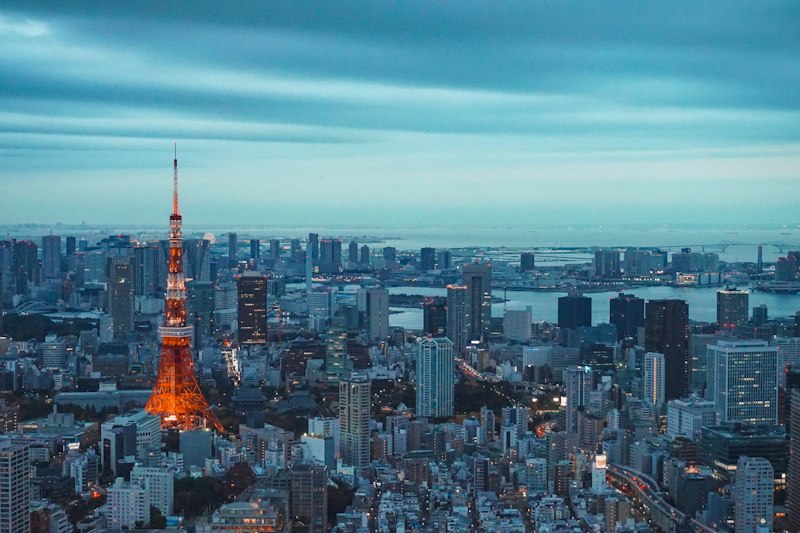
The centerpiece of your Yanagawa visit is the canal cruise. While it might look simple on a postcard, organizing the cruise requires understanding the different operators, routes, and one-way logistics.
Course Types: Regular vs. Short
According to Yanagawa's official tourism site (yanagawa-net.com), there are seven different companies running cruises on the canals. Most offer two primary types of courses:
- The Regular Course: This is the standard, most popular route. It takes about 60 minutes, starting from piers located within a 5-10 minute walk of Nishitetsu Yanagawa Station, and ending in the main historical tourist area (around Okinohata and Onna-hana). Across the various companies, adult fares range from 1,800 to 2,200 yen, and child fares range from 900 to 1,100 yen.
- The Short Course: This route takes about 30-40 minutes and focuses specifically on the area around Okinohata. Fares vary widely by company, ranging from 1,000 to 2,200 yen for adults, and 500 to 1,100 yen for children.
Because fares and specific boarding points vary by company, you must confirm the details directly with the company you choose and check their specific boarding-area map.
Shared Boats vs. Private Charters
For standard tickets, you will be boarding a shared boat. At most companies, shared boats do not operate on a strict to-the-minute timetable; instead, they depart once enough passengers gather at the pier (Yanagawa Kanko Kaihatsu, the company bundled with the Nishitetsu ticket, runs shared boats every 30 minutes). If you prefer exclusivity, private charters exist, but you must ask the specific company for their charter fees.
While some walk-up availability is usually present, some companies require advance reservations (such as Castle Gate Tourist and Hakushu Tourism). Furthermore, Yanagawa Cruise Marue requires advance reservations for everything except their shared boats.
Operator Examples
To give you a realistic idea of 2026 pricing and operations, here are three official company figures listed on yanagawa-net.com (treat these as examples, as details can fluctuate):
- Yanagawa Tourism Development Co., Ltd. (柳川観光開発):
- This is the company bundled with the Nishitetsu Sightseeing Pass (boarding at the Shogetsu pier).
- Regular course: Adult 2,200 yen / Child (ages 6-12) 1,100 yen.
- Reception hours: 9:30 - 15:00 (generally daily). Shared boats depart every 30 minutes.
- Phone: 0944-72-6177.
- Daito Enterprise Co., Ltd.:
- Regular course (approx. 70 minutes): Adult 2,000 yen / Child (ages 7-12) 1,000 yen.
- Short course (approx. 30 minutes): Adult 1,000 yen / Child 500 yen.
- No regular holidays.
- Hours: March to November 10:00 - 17:00 (last entry 16:00) / December to February 10:00 - 16:00 (last entry 15:30).
- Phone: 0944-72-7900.
- Suigo Yanagawa Tourism Co., Ltd.:
- Regular course: Adult 2,000 yen / Child 1,000 yen.
The Logistics of a One-Way Cruise
A critical detail that many tourists overlook: the standard regular course is one-way. You board near Nishitetsu Yanagawa Station, but you disembark in the Okinohata tourist area. You do not sail back to the station.
This means you must plan your return to the station. You have three primary options:
- Taxi: Taxis wait in front of Ohana in the tourist area. Yanagawa Kanko Kaihatsu lists roughly 1,300 yen to the station.
- Paid Route Bus: A local route bus runs from the Ohana-mae stop to Nishitetsu Yanagawa Station (220 yen per person, per Yanagawa Kanko Kaihatsu).
- Free Shuttle: Yanagawa Kanko Kaihatsu (the only company the Nishitetsu Dazaifu-Yanagawa Sightseeing Ticket can be used with) runs a free shuttle bus for its cruise passengers from the end point near Okinohata back to Nishitetsu Yanagawa Station. It leaves at set times, which can be delayed by traffic, so check the operator's timetable.
The Multilingual Audio Guide
Released in March 2025 and heavily featured on yanagawa-net.com, the "Yanagawa River Cruise" audio guide is a fantastic addition to the DIY traveler's toolkit. Since you cannot expect onboard English commentary from the boatmen, this smartphone-based audio guide fills the gap.
It is available in English, Japanese, Simplified Chinese, Traditional Chinese, and Korean. The guide is comprehensive, offering segments to listen to before boarding, during the boat ride, for a walking tour after disembarking, and even for the Nishitetsu train ride between Tenjin and Yanagawa. To purchase it, you must check the linked page on the Yanagawa tourism site.
(Protecting yourself from the elements is crucial during the 60-minute outdoor cruise. During summer, packing one of the best Japanese sunscreens is highly recommended, as the boats have no roofs).
5. Winter Special: The Kotatsu Boats (2026-2027 Season)
If you are visiting Fukuoka in the winter, Yanagawa offers a uniquely cozy experience: the kotatsu boat.
A kotatsu is a traditional Japanese low table equipped with a heat source underneath, covered by a heavy blanket to trap the warmth. Passengers sit around the table, sliding their legs under the blanket to stay remarkably warm while floating down the brisk, open-air canals.
Season Dates and Weather Caveats
According to Nishitetsu's information on the sightseeing ticket (the cruise company bundled with it), the boats run as heated kotatsu boats from December 1 to around the end of February. For the 2026-2027 winter season, this means the kotatsu season kicks off on December 1, 2026.
However, there is a major weather caveat you must be aware of: in the event of rain or snow, the kotatsu cannot be used. The heavy blankets would become soaked. If you visit on a rainy or snowy day during the winter season, a regular punt boat will run instead. Kotatsu boats cannot be completely guaranteed due to this weather dependency.
The Late February Water-Removal Period
If your trip falls in mid to late February, be aware of the annual canal "water-removal period" (an essential maintenance process to clean the moats). During this time, water levels drop significantly, and some cruise courses are shortened. If you are traveling during this specific window, check the company's page beforehand to see how their route is adjusted.