[PR] This article contains affiliate links.
For any fan of Dragon Ball, a trip to Japan is a pilgrimage. It’s the birthplace of Goku, Vegeta, and the universe-shattering Kamehameha wave. While you can visit themed cafes and official shops, the true, unfiltered essence of Japan's love for this iconic series lies in the humble gashapon machine. And there's no better example of the artistry these tiny capsules can hold than a legendary, now-elusive series: the Dragon Ball DUAL BURST collection.
Originally released years ago, this series captured the kinetic energy of Dragon Ball's most famous battles in miniature diorama form. Finding one today is a treasure hunt. This guide is your ultimate scouter, your Dragon Radar for not only hunting down these vintage gems but also for mastering the world of Dragon Ball gashapon in 2026. Prepare to go Super Saiyan on your collecting journey—we’ll show you exactly where to go, what to look for, and how to become a gashapon master.
What is Gashapon? The Ultimate Japanese Souvenir
Before we dive into the deep end, let's power up your basic knowledge. If you're new to Japan, you'll see walls of what look like toy vending machines everywhere. These are Gashapon, and they are a cultural phenomenon.
The "Gasha" and "Pon" Experience: More Than a Vending Machine
The name is an onomatopoeia. "Gasha" is the sound of the crank turning, and "pon" is the thud of the capsule dropping into the collection tray. It's a multi-sensory experience of anticipation and surprise. Unlike a blind box you'd buy in a store, the gashapon machine offers a limited, curated selection of items, usually part of a themed set. The thrill is in not knowing which one you'll get, fueling a powerful desire to complete the entire collection.
Why Dragon Ball is a Gashapon King
Dragon Ball is a perfect match for the gashapon format. With its vast roster of characters, iconic transformations, and epic battles, there is a near-infinite well of inspiration for new series. Bandai, the primary manufacturer, has been releasing Dragon Ball gashapon for decades, evolving from simple, static figures in the 90s to the hyper-detailed, dynamic mini-statues of today. For many collectors, these capsule toys are the most accessible and diverse way to own a piece of the Dragon Ball universe.
The 2026 Gashapon Landscape: Premium vs. Standard
The world of gashapon has leveled up significantly. What you’ll find in 2026 can be broken down into a few tiers:
- Standard Gashapon (¥200 - ¥400): These are your classic capsule toys. Often keychains, small figures, or other trinkets. Quality is good, but simpler.
- Premium Gashapon (¥500): This is the sweet spot and the tier where the DUAL BURST series first made its mark. For 500 yen, you get significantly larger figures, more complex sculpts, intricate paint applications, and often special effect parts. This is the most popular category for serious figure collectors.
- Ultimate/Luxury Gashapon (¥800 - ¥2,500): These often come in larger, non-spherical capsules or are even capsule-less ("capsule-less" items are part of the machine's shell, which you assemble). These are high-end collectibles with detail rivaling full-sized prize figures, featuring characters like Great Ape Vegeta or Perfect Cell with incredible presence.
The Legacy of "DUAL BURST": A Case Study in Gashapon Excellence
The original Yahoo! Japan news article from years ago announced a new series that perfectly captured the spirit of Dragon Ball Z. The "DUAL BURST" line wasn't just about individual figures; it was about the confrontation.
What Made DUAL BURST So Special?
The genius of the DUAL BURST series was its diorama concept. Each figure was sculpted in a dynamic, action-oriented pose, but when paired with its rival from the same set, they formed a complete, electrifying battle scene. The bases were designed to interlock or align, creating a miniature stage for these legendary showdowns. This innovative approach elevated them from simple capsule toys to coveted display pieces.
The Original Lineup: Two of the Greatest Battles Ever
The first wave of DUAL BURST focused on two of the most pivotal moments in Dragon Ball Z history:
- Super Saiyan Son Goku vs. Frieza (Fourth Form): This set immortalized the climax of the Namek Saga. Goku, in his first-ever Super Saiyan transformation, radiating with righteous fury. Frieza, sleek and terrifying in his final form, brimming with malevolent power. Together, they recreated the desperate struggle on a dying planet.
- Super Saiyan 2 Son Gohan vs. Cell (Perfect Form): Capturing the emotional peak of the Cell Games, this pair was a fan favorite. Gohan, having just unlocked a new level of power through rage and grief, unleashing a one-handed Kamehameha. Perfect Cell, arrogant and monstrous, meeting the blast head-on. It's a scene of pure, unadulterated DBZ spectacle.
Can You Find DUAL BURST in 2026? The Thrill of the "Retro" Hunt
The short answer is: not in machines. Gashapon series are produced in limited runs. Once a series is sold out, it's gone from the machines forever. But this is where the real adventure for a tourist-collector begins. The DUAL BURST series and other classics are now part of Japan's thriving second-hand market. Finding them requires digging through the treasure troves of Tokyo's collector shops. And we know exactly where to send you.
Where to Hunt: Your Dragon Ball Gashapon Tourist Map
Forget the tourist traps. We're taking you to the front lines of the collecting world. This is your definitive map for hunting both the latest 2026 releases and vintage treasures like DUAL BURST.
The Gashapon Mecca: Tokyo's Top Spots for NEW Releases
If you want to experience the "gasha-pon" thrill and get the very latest series, these are your primary targets.
Gashapon Department Store (Ikebukuro)
This is not an exaggeration. Located in Ikebukuro's Sunshine City complex, this is the flagship store of Bandai's official "Gashapon Department Store" chain and holds the Guinness World Record for the most capsule toy machines in one venue.
- What to Expect: Over 3,000 machines. Let that sink in. It is a labyrinth of pure joy. You will find every current Dragon Ball series here, often with multiple machines for each to ensure they're stocked. They have a dedicated section for new releases and a massive change station. It's overwhelming in the best possible way.
- Price: ¥300 - ¥1,500 per turn.
- Hours: 10:00 AM - 9:00 PM (Subject to Sunshine City hours)
- Access: A 10-minute walk from Ikebukuro Station's East Exit, or a 5-minute walk from Higashi-Ikebukuro Station on the Yurakucho Line.
- Location:
Akihabara Gashapon Hall
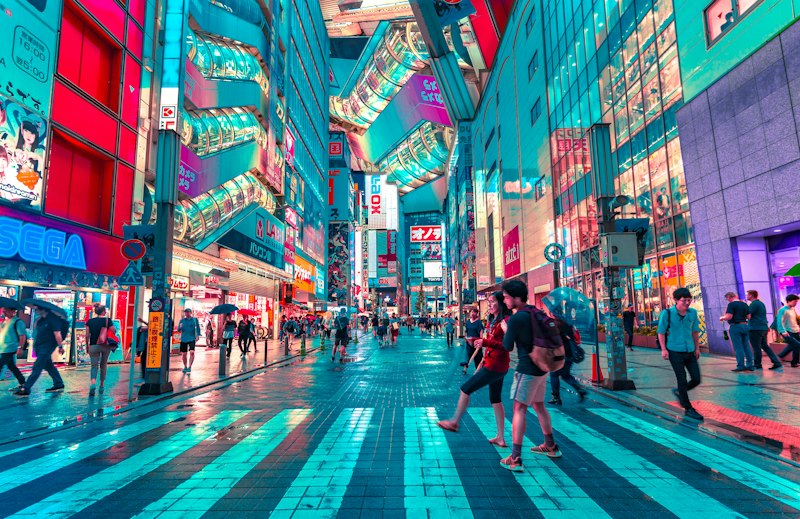
Before Ikebukuro's behemoth existed, this was the most famous gashapon spot in Tokyo. It has a gritty, old-school Akihabara vibe that is an experience in itself.
- What to Expect: A smaller, more condensed space packed floor-to-ceiling with around 500 machines. It's a classic for a reason. They get all the new anime-related releases on day one. It's the perfect starting point for any Akihabara shopping trip.
- Price: ¥200 - ¥500 per turn.
- Hours: 11:00 AM - 8:00 PM
- Access: A 4-minute walk from Akihabara Station's Electric Town Exit or a 3-minute walk from Suehirocho Station on the Ginza Line.
- Location:
Hunting for Classics like DUAL BURST: The Second-Hand Circuit
This is where you'll find the treasures. These stores buy and sell pre-owned goods, and they are the only places you'll find complete, bagged sets of older gashapon series.
Mandarake Complex (Akihabara)
Mandarake is the king of second-hand anime and manga culture. The Akihabara Complex is a towering, 8-story black monolith dedicated to otaku goods.
- What to Expect: Head to the 6th and 7th floors, which are dedicated to figures and toys. You will find glass cases filled with pristine collectibles. Look for small plastic bags containing the complete sets of gashapon series. A complete DUAL BURST set (all 4 figures) would likely be priced between ¥2,800 and ¥4,500 here, depending on rarity and condition.
- Hours: 12:00 PM - 8:00 PM
- Access: A 5-minute walk from Akihabara Station's Electric Town Exit.
- Location:
Nakano Broadway
Often called the "original Akihabara," Nakano Broadway is a 4-story shopping complex that feels like a time capsule of otaku culture. It's less about the modern electronics of Akiba and more about deep, niche collecting.
- What to Expect: A dense warren of tiny, specialized shops. You are here for stores like Mandarake's main branch (which has multiple storefronts scattered throughout) and Robot Robot. These shops are packed to the gills with vintage toys. You'll find individual DUAL BURST figures in baggies hanging on walls or in "gacha set" bags in display cases. The hunt here is part of the fun.
- Hours: Shops typically open around 12:00 PM and close around 8:00 PM.
- Access: A 5-minute walk straight through the Sun Mall shopping arcade from Nakano Station's North Exit.
- Location:
Surugaya (Multiple Locations)
Surugaya is a massive chain known for its incredible inventory and sometimes chaotic "treasure hunt" atmosphere. They have everything from the latest releases to obscure retro items.
- What to Expect: Look for the "junk" bins. These are often filled with loose, individual gashapon figures for as little as ¥100-¥300. This is your best bet if you're missing just one figure from a set. They also sell complete sets in bags, often at prices slightly cheaper than Mandarake. The Akihabara Ekimae (Station Front) Store is a great, accessible starting point.
- Hours: Varies by store, but typically 10:00 AM - 9:00 PM.
- Access (Akihabara Ekimae Store): Literally a 1-minute walk from Akihabara Station's Electric Town Exit.
- Location:
The "Sleeper Hit" Locations: Escaping the Tourist Crowds
For the truly dedicated hunter, venturing outside the Yamanote Line loop can yield amazing results with better prices and less competition.
Book-Off Super Bazaar (Hachioji Minamino)
Book-Off is known for used books, but their "Super Bazaar" locations are massive department stores of second-hand goods, including an extensive hobby section.
- Why Go?: Tourists rarely make it out here. This means the stock is picked over less frequently, and prices can be significantly lower. You might find a DUAL BURST Gohan figure that would be ¥1,200 in Akiba for just ¥500 here. It's a goldmine for patient collectors.
- Hours: 10:00 AM - 9:00 PM
- Access: This is a mini-adventure. From Shinjuku Station, take the JR Chuo Line Rapid train towards Takao and get off at Hachioji Station (approx. 40 minutes). Transfer to the JR Yokohama Line and go one stop to Hachioji-Minamino Station (3 minutes). The store is a 5-minute walk from the station.
- Location:
Lashinbang (Machida)
Machida is a bustling city on the western edge of Tokyo, a major commuter hub that many tourists overlook. It has a fantastic otaku shopping scene, and Lashinbang is one of its cornerstones.
- Why Go?: Like Hachioji, it's off the main tourist path. Lashinbang specializes in character goods and figures. Their prices are competitive, and their stock reflects a more local collector base. It's a great place to find items that sold out instantly in Akihabara.
- Hours: 11:00 AM - 8:00 PM
- Access: From Shinjuku Station, take the Odakyu Line Express train to Machida (approx. 30-35 minutes). The store is a 5-minute walk from the station exit.
- Location:
Pro-Hunter Tips & Gashapon Etiquette
Now that you know where to go, let's equip you with the techniques of a seasoned gashapon hunter.
Mastering the Gashapon Machine
- The Currency of Capsules: Prepare Your Coins! Gashapon machines do not take bills or credit cards. They run exclusively on coins, primarily ¥100 and sometimes ¥500 coins for premium machines. Always have a handful ready. Most large gashapon centers have change machines that convert ¥1,000 bills into ¥100 coins. If not, a nearby arcade is your best bet. Managing your money is key, so get familiar with the debate on cash vs card in Japan.
- Reading the Machine: The display card (or "POP") on the front of the machine is your bible. It shows every item in the series, so you know what you're trying to get. Sometimes, popular items will have a "sold out" (売り切れ - urikire) sticker over them. Check this before you insert your money!
- The Dreaded "KABURI" (Duplicate): It's inevitable. You're hunting for Super Saiyan Goku and you get your third Frieza. This is kaburi. What do you do? A true collector might keep it for trading. Some people leave duplicates on top of the machine for the next person (a kind gesture). In places like Akihabara or Nakano Broadway, you might even see fellow collectors open to trading on the spot!
Advanced Strategies for Serious Collectors
- "Kompugacha" - The Psychology of Completing a Set: "Kompu" is Japanese shorthand for "complete." The desire to "kompu gacha" is powerful. Before you start, decide if you truly want the whole set. Sometimes, it's wiser to just aim for your one or two favorite characters.
- Buying Complete Sets: When is it Cheaper? Let's do the math. A DUAL BURST set has 4 figures. At ¥500 a turn, you'd spend ¥2,000 for a perfect run with no duplicates. Realistically, you might spend ¥3,000-¥4,000 (6-8 turns) to get them all from the machine. If you can find the complete set at Mandarake for ¥3,500, you save time and potential frustration. Rule of thumb: If a set has 5 or more items, buying it complete second-hand is often more economical.
- Packing Your Haul: These figures are small but can have delicate parts. Keep the plastic capsules! They are the perfect protective cases for transport. For loose figures, wrap them in some tissue or a small cloth before packing them. If you end up with a massive haul, consider shipping it home. It's easier than you think. This Japan EMS shipping guide will walk you through the process.