🔍Checked against official sources and updated regularly by a JAPHIC-certified operator. About us →
⚡ Quick facts
Discover the ultimate 2026 guide to the Blue Lock Pop-Up Store in Shibuya. Learn how to secure LivePocket tickets, check exclusive merchandise prices, and explore the top 10 alternative anime shops in Tokyo.
If there is one anime franchise that has completely taken over the streets, screens, and shopping districts of Japan in recent years, it is undeniably Blue Lock. Muneyuki Kaneshiro and Yusuke Nomura’s high-octane, ego-driven football death-game has evolved from a hit manga into a global cultural phenomenon. By 2026, with the anime adaptation reaching its most climactic arcs and theatrical releases breaking box office records, the fervor for Blue Lock merchandise in Japan is at an absolute fever pitch. For inbound tourists and die-hard anime fans planning their Anime Pilgrimage in Japan: A Beginner, there is one event that stands above the rest: the highly anticipated Blue Lock Pop-Up Store in Shibuya.
This massive, completely exhaustive, and extremely deep 2026 guide is designed specifically for inbound tourists and overseas fans. We will cover everything you need to know about navigating the Shibuya pop-up store, deciphering the ticketing system, analyzing the exclusive merchandise (including exact yen prices), and mastering the unwritten rules of Japanese fan-trading. Furthermore, because pop-up store stock often sells out rapidly, we have compiled an elite list of the top 10 alternative retail locations across Tokyo where you can hunt down Blue Lock gear, complete with exact access instructions, survival tips, and Google Maps integrations.
Lock your ego in. It is time to dive into the ultimate Blue Lock shopping experience in Japan.
The Blue Lock Phenomenon & The 2026 Shibuya Pop-Up Store
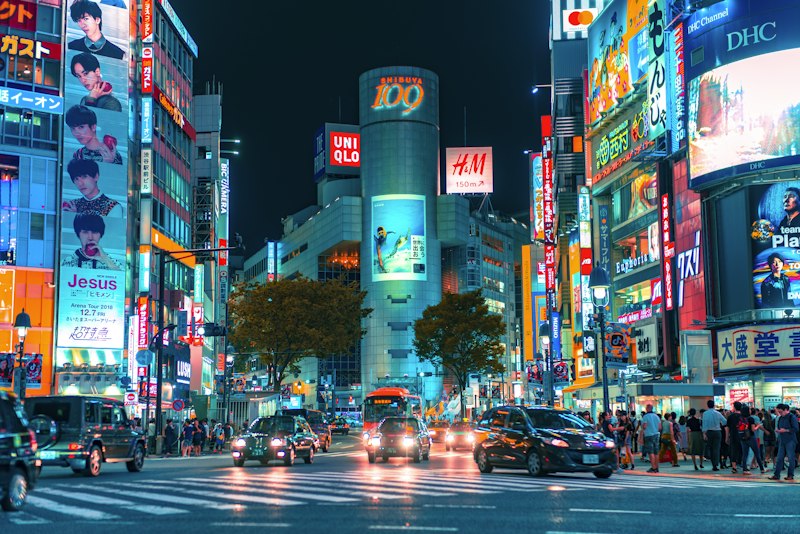
Shibuya is the pulsing, neon-lit heart of Japanese youth culture and anime fashion collaborations. It is only fitting that the premier Blue Lock pop-up events of 2026 are hosted here at alternative venues like Shibuya Modi or via Loft. Often referred to by fans under various thematic titles (such as the "Egoist Awakening" or "Shibuya Streetwear" collections), these pop-up stores are temporary retail spaces that offer limited-edition merchandise featuring exclusive, never-before-seen character artwork drawn specifically for the event.
For the 2026 iteration, the prevailing artistic theme features the main cast—Yoichi Isagi, Meguru Bachira, Hyoma Chigiri, Seishiro Nagi, and Rin Itoshi—dressed in highly detailed, Shibuya-inspired tech-wear and oversized street fashion. Imagine Isagi in a sleek black windbreaker with neon green accents, or Chigiri sporting high-end, layered punk aesthetics. Because this artwork is IP-protected, you will not find it officially sold outside of this specific event window, making these items the holy grail for collectors.
Essential Event Details & Official Citations
When planning your trip, it is vital to rely on primary sources rather than second-hand social media posts. Dates, times, and venues are subject to change, and the Japanese anime event industry operates on strict schedules.
Venue: Shibuya Modi or via Loft – Alternative Shibuya venues hosting the 2026 events.
Typical 2026 Event Window: Throughout the year across various special exhibition periods.
Operating Hours: 11:00 AM – 9:00 PM (Daily).
Official Primary Source: Always verify the latest dates and sudden stock shortages via the Official Blue Lock Anime Portal and relevant official event event portals.
Access: A 5-minute walk from Shibuya Station (Hachiko Exit). Walk diagonally across the Scramble Crossing towards Center Gai and follow directions to the active venue.
How to Get Tickets: The LivePocket Reservation Guide
One of the biggest hurdles for inbound tourists attending a premier anime pop-up in Japan is the reservation system. You cannot simply walk into the Blue Lock pop-up on its opening weekend. To prevent dangerous crowding, Japanese event organizers use a strict digital ticketing lottery system, usually managed through a platform called LivePocket.
The Three Phases of Pop-Up Ticketing
Advance Lottery (Chusen): About 3 to 4 weeks before the pop-up opens, a lottery window opens on LivePocket. You select your preferred dates and time slots (e.g., May 2nd, 11:30 AM). You are not guaranteed a ticket. Winners are announced via email a week later.
General Advance Booking (Ippan): If any time slots remain after the lottery, they are put up for general grabs on a first-come, first-served basis. These usually vanish within 60 seconds for a franchise as massive as Blue Lock.
Free Entry (Free Kujo): After the initial opening weekend or peak Golden Week days, the store may open to the public without reservations. However, you will likely still need to pull a numbered paper ticket (Seiriken) from a machine or staff member outside the store, which will tell you what time to return.
Navigating LivePocket as a Tourist
LivePocket requires an account to enter lotteries. While the site has rudimentary English support, the specific event pages are entirely in Japanese.
Name Matching:CRITICAL RULE. When registering for LivePocket, you must input your name exactly as it appears on your physical passport. At the entrance of the pop-up, staff will check your digital QR code against your passport. If you registered as "AnimeFan99" or used a nickname, you will be denied entry. No exceptions.
SMS Verification: Historically, LivePocket has required a Japanese phone number for SMS verification. In 2026, many tourists bypass this by using data-and-voice eSIMs that provide a temporary Japanese +81 number, or by coordinating with a trusted proxy service/friend living in Japan to help secure the reservation.
Assuming you have defeated the ticketing boss and gained entry to the pop-up, you will be greeted by a meticulously organized, brilliantly lit retail space. Life-sized acrylic standees of the egoists will line the walls, and looping monitors will blast the anime's opening theme. But you are here for the loot.
To ensure fair distribution and thwart scalpers (tenbai-ya), the Blue Lock pop-up enforces strict Purchase Limits per person, per entry. Usually, this is limited to 1-3 items per specific open product, and 10-20 pulls for blind/trading items.
Here is an exhaustive look at the typical exclusive merchandise lineup and standard 2026 pricing (prices are in Japanese Yen, including the 10% consumption tax):
1. Acrylic Stands (Akusuta)
The undisputed king of Japanese anime merchandise. The exclusive Shibuya Streetwear visual features high-grade, thick acrylic.
Item: Character Acrylic Stand (Isagi, Bachira, Chigiri, Nagi, Reo, Rin, Barou).
Price: 1,980 JPY each.
Limit: Usually 3 per character per person.
Display Tip: These range from 14cm to 16cm in height. The bases usually connect like puzzle pieces to form a dynamic team display.
The most common (and addicting) merch format in Japan. These items are sealed in opaque silver foil wrappers. You do not know which character you will get until you open it.
Item: Holographic Trading Can Badges (Tin Badges - 56mm).
Price: 550 JPY per random pull.
Limit: 20 pulls per person.
Item: Trading Acrylic Keychains.
Price: 770 JPY per random pull.
Limit: 10 pulls per person.
3. Apparel & Lifestyle Goods
Since the theme is Shibuya fashion, the pop-up heavily leans into wearable items that mimic what the characters wear in the exclusive artwork.
Item: Egoist Oversized T-Shirt (Free Size, usually equivalent to a US Large).
Price: 4,400 JPY.
Item: "Blue Lock" Embroidered Cap.
Price: 3,850 JPY.
Item: Character Clear Files (A4 Size).
Price: 440 JPY each (A cheap and excellent souvenir!).
Item: Chibi Plush Mascots (Nuigurumi).
Price: 2,200 JPY each.
4. The Art of the "Tokuten" (Purchase Bonus)
In Japan, you are rewarded for spending money. The pop-up will feature a Tokuten (Bonus) system. For every 2,000 JPY (sometimes 2,500 JPY) you spend in a single transaction, the cashier will hand you a random, exclusive bonus item—usually a thick bromide photo card, a postcard, or a holographic sticker featuring the exclusive art.
If you spend 20,000 JPY on merch, you will receive 10 random bonus cards. This system fuels the massive trading culture outside the venue.
The Fan Trading Culture: How to Trade Like a Local
Because so much Blue Lock merchandise relies on blind boxes and random Tokuten bonuses, fans will gather near the pop-up (usually in stairwells, nearby parks, or designated trading areas) to swap items.
If you pull three Barou badges but desperately want a Nagi badge, you can trade! Here are the unwritten rules of Japanese anime trading:
Bring a Mat: Fans lay down a small, clean towel, clear file, or picnic sheet and place their items on top. Never put merchandise directly on the dirty floor.
Displaying Wants: Write your desired characters on a digital notepad on your phone or a small whiteboard (e.g., "求: 凪" which means "Seeking: Nagi", and "譲: 馬狼" which means "Offering: Barou").
The Approach: If you see someone with the item you want, approach politely. Say: “Kokan onegai shimasu” (Would you like to trade?).
Character Tiers: Be aware of the community "value" of characters. Nagi, Rin, and Isagi are exceptionally popular. A Japanese fan might not trade a highly coveted Nagi badge for a less popular character 1-for-1. They might ask for two items in exchange, or politely decline ("Sumimasen, chotto..."). Respect their decision and bow slightly as you leave.
Once you have acquired your hoard of holographic can badges from the pop-up, you might wonder what to do with them. Welcome to Oshikatsu (the act of supporting your favorite character, your "Oshi"). In Japan, fans display their devotion by creating an Ita-bag (literally "painful bag").
An Ita-bag is a tote or backpack with a clear vinyl front pocket. Fans meticulously pin dozens of identical (or themed) can badges, attach plushies, and weave ribbons to create a mobile shrine to their favorite Blue Lock character. If you plan to build one during your 2026 trip, you don't need to spend a fortune on supplies. You can buy the base bags at stores like WEGO in Harajuku, and for the internal plastic inserts, protective covers, and decorative rosettes, check out our highly recommended Daiso & Seria Oshikatsu Supplies Guide 2026 | 100 Yen Shop Acrylic Stand Cases, Uchiwa Kits & Deco Stickers.
Using 100-yen shop protective sleeves for your 1,980 JPY acrylic stands is the smartest way to keep them scratch-free while traveling in your suitcase!
Top 10 Alternative Blue Lock Shopping Spots in Tokyo
What happens if you miss the pop-up store ticketing window, or if your favorite character’s acrylic stand is sold out by the time you arrive? Do not panic. Tokyo is the undisputed anime shopping capital of the world.
Below is an exhaustive list of the top 10 retail locations to hunt for Blue Lock merchandise. We have split these between retail stores (for brand-new, official merch) and second-hand/proxy stores (where you can buy opened blind-box items directly for a premium).
1. Animate Shibuya
Animate is the biggest anime retail chain in Japan. The Shibuya branch has a massive, dedicated sports anime section, and Blue Lock takes up a significant chunk of real estate here.
What to expect: Brand-new manga volumes, official DVDs, standard retail acrylic stands, stationery, and apparel. They also frequently host "mini" fairs where spending 1,500 JPY gets you a postcard.
Pricing: Retail price (Tax-free available).
Hours: 11:00 AM – 9:00 PM (Weekdays), 10:00 AM - 8:00 PM (Weekends).
Access: A 5-minute walk from Shibuya Station Hachiko Exit. Located inside the BEAM Building on the 3rd floor, right in the heart of Center Gai.
2. Mandarake Shibuya
Mandarake is the king of second-hand otaku goods. The Shibuya location is located deep underground and feels like a treasure trove.
What to expect: Glass display cases filled with rare, out-of-print Blue Lock pop-up merchandise from previous years (2023, 2024, 2025). This is where you go to find old collaboration cafe coasters or limited-run Gachapon prizes.
Pricing: Second-hand market value. Expect to pay double or triple retail for a rare Nagi or Rin item, but you can find less popular characters for absolute bargains.
Hours: 12:00 PM – 8:00 PM.
Access: Located in the exact same BEAM Building as Animate, but you must take the escalator down to the B2F basement level.
While Shibuya is great, Ikebukuro is the absolute mecca for sports anime fans. K-Books operates several specialized storefronts here. You want the one dedicated specifically to Jump/Sports titles.
What to expect: The most meticulously organized second-hand store on the planet. Millions of can badges sorted not just by character, but by specific artwork release. If you want a specific pop-up badge from two years ago, it is here.
Pricing: Highly variable. A Nagi holographic badge might be 3,000 JPY, while an Igarashi badge is 110 JPY.
Hours: 11:30 AM – 8:00 PM.
Access: An 8-minute walk from Ikebukuro Station East Exit. Head towards Sunshine City and find the famous "Otome Road" opposite the mall.
4. Animate Ikebukuro Flagship Store
The largest anime store in the world, renovated and expanded massively.
What to expect: Multiple floors of madness. The 4th and 5th floors usually house the character goods. The Blue Lock section here is usually double the size of the Shibuya branch. They also frequently run dedicated Blue Lock exhibition spaces on the top event floors.
Pricing: Retail.
Hours: 11:00 AM – 9:00 PM (Weekdays).
Access: A 5-minute walk from Ikebukuro Station East Exit, located right next to Hareza Tower.
5. Surugaya Shinjuku Marui Annex
Shinjuku is just a few stops from Shibuya and hosts an incredible Surugaya inside the Marui Annex mall.
What to expect: Surugaya is a major second-hand retailer. Because it is located inside a clean, high-end department store, it is very tourist-friendly. Excellent selection of used Blue Lock plushies and scale figures.
Pricing: Generally cheaper than Mandarake or K-Books, but items are less meticulously organized. You have to "hunt" through the bins.
Hours: 11:00 AM – 8:00 PM.
Access: A 3-minute walk from Shinjuku-sanchome Station (Tokyo Metro), or a 10-minute walk from JR Shinjuku Station East Exit.
6. AmiAmi Akihabara Radio Kaikan
You cannot talk about anime shopping without visiting Akihabara. While Akihabara leans heavily toward male-oriented titles, Blue Lock is a blockbuster that transcends demographics.
What to expect: AmiAmi is world-renowned for figures. If a new high-quality scale figure of Isagi or a Nendoroid of Bachira has been released, AmiAmi will have it on display and for sale.
Pricing: Often offers a 10-15% discount off the retail price for brand-new items!
Access: Literally 10 seconds from the JR Akihabara Station Electric Town Exit. It is the massive yellow building immediately in front of you.
7. Lashinbang Akihabara (Culture Zone)
Lashinbang is another major second-hand retailer, directly competing with Mandarake and Surugaya.
What to expect: Their Blue Lock section is usually tucked on the second or third floor. They package second-hand goods beautifully, often bundling multiple blind-box badges into a single value pack.
Pricing: Very competitive. They run frequent clearance sales.
Hours: 11:00 AM – 8:30 PM.
Access: A 4-minute walk from JR Akihabara Station Electric Town Exit, located on the main Chuo Dori street inside the Akiba Cultures Zone building.
8. Village Vanguard Shibuya Main Store
Village Vanguard describes itself as an "exciting book store," but it is actually a labyrinth of pop culture, gag gifts, and highly curated anime collaborations.
What to expect: They often carry Blue Lock lifestyle goods that Animate doesn't—think character-themed bath salts, crazy socks, unique tote bags, and snack collaborations.
Pricing: Retail.
Hours: 11:00 AM – 9:00 PM.
Access: A 3-minute walk from Shibuya Station, located underground near the famous Shibuya 109 building.
9. Shibuya TSUTAYA (IP Bookstore Floor)
In 2024/2025, the iconic Shibuya TSUTAYA facing the scramble crossing underwent a massive renovation, transforming into an IP (Intellectual Property) and pop-culture powerhouse.
What to expect: The upper floors host dedicated anime spaces. They often carry the Blue Lock manga, high-end art books, and exclusive TSUTAYA-only collaboration goods (like clear files that you can only get if you buy the manga volume here).
Pricing: Retail.
Hours: 10:00 AM – 10:00 PM (Great for late-night shopping!).
Access: 1-minute walk from Shibuya Station Hachiko Exit. It is literally across the Shibuya Scramble Crossing, attached to the Starbucks.
10. Shibuya Loft (Anime Collaboration Floor)
Loft is a stylish lifestyle department store, but they frequently partner with huge anime franchises for their own exclusive pop-ups.
What to expect: Even if the main Blue Lock pop-up is at an alternative venue, Loft often runs simultaneous smaller campaigns. The merch here is usually pastel-themed or heavily styled for female fans (stylish tote bags, minimalist character mirrors, makeup pouches).
Pricing: Retail.
Hours: 11:00 AM – 9:00 PM.
Access: A 5-minute walk from Shibuya Station. Head past TSUTAYA, take a right up the pedestrian street, and Loft is the massive yellow building next to Seibu.
Navigating Shibuya & Travel Logistics for Anime Fans
Shopping for anime merchandise in a crowded metropolis like Tokyo requires tactical planning. Shibuya is notoriously busy, and carrying fragile acrylic stands through a sea of 100,000 people at the Scramble Crossing is not ideal. Here is how to conquer the logistics of your Blue Lock shopping spree.
Payment Methods & Tax-Free Shopping
When diving into a massive pop-up store, you will likely spend more than you originally planned. The Blue Lock pop-up events accept all major international credit cards (Visa, Mastercard, Amex). However, when visiting smaller second-hand shops or trading with fans outside, you will absolutely need hard Japanese Yen. For a deep dive into exactly how much physical currency you should carry for an otaku trip, consult our guide: Cash vs Card in Japan 2026: How Much Cash Do You Need?.
Tax-Free Shopping (Menzei):
Tourists in Japan are eligible for a 10% tax exemption on purchases totaling over 5,500 JPY (including tax) at a single store on the same day.
At the Pop-Up: Pop-up stores inside venues often do not process tax-free at the register. You must pay the full tax amount, then take your receipt, merchandise, and physical passport to the central Tax-Free Counter to receive a cash refund.
At Animate/Mandarake: They usually have dedicated tax-free registers. You must present your physical passport (with the tourist entry stamp/sticker). Digital copies or ID cards are not accepted.
Transportation & Luggage Storage
Navigating between Shibuya, Shinjuku, and Ikebukuro requires multiple train lines (the JR Yamanote Line, the Tokyo Metro Fukutoshin Line). You should not waste time buying individual paper tickets. Make sure you are equipped with the right transit card. If you are unsure which to get, read: What is the Best IC Card for Tourists in Japan 2026? | Suica vs Pasmo vs ICOCA.
The Luggage Rule: Do not bring a rolling suitcase to an anime pop-up or into a store like Mandarake. The aisles are barely 2 feet wide, and you will be asked to leave.
Solution: Use the Coin Lockers at Shibuya Station. They cost between 400 JPY (small) to 900 JPY (large suitcase size) and can be paid for with your Suica card. There are major locker banks at the Hachiko Underground Square and the Shibuya Scramble Square transit hubs.
Surviving the Queues (Sunscreen, Hydration, Comfort)
Even with a LivePocket time-slot reservation for the Blue Lock pop-up, you will be required to line up outside the venue or in a designated stairwell 15 to 30 minutes before your entry time. Tokyo can be shockingly hot and humid.
Hydration: Bring a bottle of water. Do not worry about running out; vending machines are everywhere. In fact, if you want to know how safe it is to refill your bottle at the hotel or public taps, read our extensive breakdown: Can You Drink Tap Water in Japan? | City by City Guide 2026.
Conclusion & Final Egoist Tips
Attending the Blue Lock Pop-Up Store in Shibuya 2026 is more than just a shopping trip; it is an immersion into the very core of modern Japanese anime fandom. You are not just buying merchandise; you are engaging with the culture, participating in the intricate dance of blind-box trading, and walking the same vibrant streets that inspire the stylish artwork of your favorite egoists.
To summarize your ultimate game plan:
Monitor the Official Sources: Bookmark the Blue Lock Anime Portal and prepare your LivePocket account a month before your flight.
Bring Your Physical Passport: Your ticket name must match your passport exactly.
Learn the Trading Phrases: A polite “Kokan onegai shimasu” goes a long way with local fans.
Use the 10 Alternative Shops: If the pop-up is sold out, hit Ikebukuro and Akihabara using our map guides to secure your grails.
Whether you are seeking the ultimate Isagi acrylic stand, hunting down a rare Nagi holographic badge in the depths of Mandarake, or just absorbing the electrifying atmosphere of Shibuya, your Blue Lock pilgrimage will be an unforgettable highlight of your 2026 Japan itinerary. Keep your ego high, your Suica card charged, and your Ita-bag ready. Happy hunting!
FAQ
Q: Where is the 2026 Blue Lock pop-up store located?
The primary 2026 Blue Lock pop-up events in Shibuya take place at alternative venues like Shibuya Modi or via Loft.
Q: How do I get tickets for the Blue Lock pop-up store?
Tickets are distributed through a digital lottery system called LivePocket. You must register with your name exactly as it appears on your physical passport to enter.
Q: What are the typical purchase limits for Blue Lock pop-up merchandise?
To prevent scalping, visitors are usually limited to 1 to 3 items per specific open product, and 10 to 20 pulls for blind box or trading items.
Q: Can I buy tax-free merchandise at the Shibuya pop-up?
Yes, but the pop-up registers usually do not process tax-free transactions directly. You must take your receipt, merchandise, and physical passport to the central Tax-Free Counter for a refund.
Q: What happens if the Blue Lock pop-up store is sold out?
If you miss out on the pop-up, you can visit alternative Tokyo anime stores like Animate Shibuya, Mandarake, K-Books in Ikebukuro, and AmiAmi in Akihabara to find both brand-new and second-hand official merchandise.
🛒
Order & Ship to Your Hotel!
Amazon Japan online order → delivered to your hotel next day
🧾 Before you buy: tax-free, payment and getting it home
Tax-free basics
Bring your passport and spend at least ¥5,000 at one shop on the same day.
Since 1 November 2026 you pay the full price including consumption tax in the shop and complete a refund procedure before you leave Japan. Buying tax-free at the register has ended.
The same reform abolished the general-goods/consumables split, the ¥500,000 daily cap on consumables and the special sealed packaging. What changes on 1 November 2026 →
⚠️ Since 1 April 2025, goods shipped to your home country by international parcel are no longer tax-exempt. If you want the tax break, carry the item out yourself as baggage — shipping is for convenience, not for saving tax.
Paying
Big electronics and chain stores take international cards. Small card shops and second-hand stalls are often cash-only, so keep some yen on you.
Wallets from 17 countries and regions work at PayPay's QR terminals through Alipay+ — including Singapore, Hong Kong, Malaysia and the Philippines. You pay with your own app and the yen amount converts automatically. Cards from the US, UK and Australia are not part of this, so use your card or cash there.
Sources: Japan National Tourism Organization (japan.travel) / PayPay (about.paypay.ne.jp)
Disclosure: This article contains affiliate links. We may earn a commission at no extra cost to you.