[PR] This article contains affiliate links.
When you think of winter in Japan, maybe Hokkaido's snowy peaks come to mind, or the glittering, bustling boulevards of Tokyo and Osaka. But honestly, one of the most spectacular, breathtaking, and ambitious winter light displays in the entire country is just a short trip from Nagoya in Mie Prefecture. Get ready for the Nabana no Sato Winter Illumination 2026-2027, home to Japan’s iconic, world-famous Tunnel of Light.
Boasting over 8 million LED lights spread across a massive botanical garden, this isn't your average city-center light show. It's an immersive, sprawling nocturnal wonderland. What makes Nabana no Sato a real game-changer is its unprecedented schedule. While most Japanese illuminations vanish the moment the New Year rings in, the Nabana no Sato 2026-2027 event runs for an astounding seven and a half months—from October 17, 2026, all the way to May 31, 2027. This means you can soak in the magic whether you're traveling in autumn, deep winter, or even late spring.
Consider this your definitive, 2026-2027 playbook for nailing that perfect day trip to Nabana no Sato. From navigating the tricky tiered ticketing system and securing those elusive Christmas passes, to exactly which train and bus combinations work best from Nagoya, and where to spend your included dining vouchers—this is your complete blueprint to Japan's premier illumination event.
1. What is Nabana no Sato?
Before we dive into the nitty-gritty of the illumination, it’s good to know what Nabana no Sato actually is. Located in Kuwana City, Mie Prefecture, Nabana no Sato is a sprawling, meticulously landscaped botanical garden. It’s one of the core attractions of the Nagashima Resort, a massive entertainment complex that also includes Nagashima Spa Land (one of Japan’s best amusement parks), the Jazz Dream Nagashima outlet mall, and the Yuami no Shima hot spring resort.
During the daytime in spring, summer, and early autumn, Nabana no Sato is famous for its stunning tulips, dahlias, roses, and hydrangeas. It’s a peaceful, beautiful park featuring traditional Japanese landscaping, serene ponds, and the massive indoor Begonia Garden.
But come winter, since 2004, the park undergoes a spectacular metamorphosis. The park's designers began stringing lights across the gardens to draw visitors during the colder months when flowers were dormant. Over the past two decades, this humble beginning has since snowballed into a national (and international) sensation. Today, Nabana no Sato regularly bags top honors in national illumination rankings, drawing millions of local and international visitors who come specifically to walk through its famous 200-meter-long glowing tunnels.
Why It Beats City Illuminations
You've probably seen the beautiful illuminations in Tokyo's Roppongi, Omotesando, or Shibuya. So why make the trek to Mie Prefecture?
- Scale: City illuminations are constrained by city traffic and urban infrastructure. Nabana no Sato is an enclosed park, meaning the ground, the water, the trees, and the architecture are entirely blanketed in lights.
- Themed Main Display: Each year, the park constructs a colossal, multi-story LED mapping display in its back field, featuring animated light shows that make city displays look tiny.
- No Cars: You can wander safely without the noise, pollution, or danger of city traffic.
- Nature Integration: The way the lights reflect off the park's central lake and illuminate the autumn leaves (in November/December) or cherry blossoms (in March/April) creates a synergy of nature and tech that Tokyo just can't replicate.
2. Crucial 2026-2027 Event Information
Before you pencil anything in, lock down the exact dates and operating schedules for the 2026-2027 season. With over seven months of magic, you've got serious flexibility, but keep an eye out for a couple of blackout dates and peak times.
- Event Name: Nabana no Sato Illumination 2026-2027 (なばなの里 イルミネーション)
- Start Date: October 17, 2026
- End Date: May 31, 2027
- Closure Dates: Seriously, mark your calendars: the park will be completely CLOSED on January 6 and January 7, 2027 for maintenance. Don't even think about trying to visit then!
- Lighting Time: The lights turn on around sunset, which shifts depending on the month. In December, this can be as early as 16:50. In May, it might not be until 19:00. The park announces the exact daily lighting time on their official website and on signboards at the entrance.
- Park Hours: Generally 10:00 to 21:00 or 22:00, depending on the day of the week and the season. Weekends and holidays usually see extended hours until 22:00.
The "Evergreen" Travel Advantage
Since it runs until May 31, 2027, you can pair the dazzling winter illuminations with totally different seasonal delights.
- November to Early December: You can see the illumination alongside vivid red autumn maple leaves (koyo), which are spectacularly up-lit at night.
- Late February to March: Weeping plum blossoms (ume) and early-blooming Kawazu cherry blossoms merge with the LED lights.
- April: You can experience peak Somei Yoshino cherry blossoms by day, and the light tunnels by night.
- May: Tulips and spring flowers dominate the daytime garden before the lights take over.
If your spring itinerary has you traveling to the Kansai region for conventions like the one detailed in our AnimeJapan 2027 Moves to Osaka: Dates, Venue & Complete Visitor Guide, a stopover in Mie for the illumination is incredibly easy to manage.
3. Ticketing Guide & Admission Prices (2026-2027 Season)
Nabana no Sato's ticketing is a bit unique. Forget flat fees; Nagashima Resort uses a tiered, dynamic pricing model that flexes with crowd levels, holidays, and weekends. Even better, your ticket usually comes as a package, bundling admission with a cash voucher to spend inside the park.
(Quick heads-up: Because admission prices and exact tier dates can vary slightly and are finalized closer to the autumn opening, you absolutely must re-verify the exact current tiered pricing against the official Nagashima Resort / Nabana no Sato website before you travel. The figures below are based on the latest verified structures for the 2026-2027 period.)
Standard Pricing Tiers
For adults and elementary-school-age children and up (preschool-age children enter for free):
Tier 1: Regular Admission (Advance / Convenience Store)
- Price: Roughly 2,500 yen
- When it applies: Most weekdays in October, early November, January (post-New Year), March, April, and May.
- What it includes: Park admission + a 1,000-yen Nabana Coupon (a voucher you can use like cash at restaurants and souvenir shops inside the park).
Tier 2: Peak Period (At-Gate / High Demand)
- Price: Roughly 3,000 to 3,200 yen
- When it applies: Expected during the peak rush of Nov 21 – Dec 22, and again from Dec 26 – Feb 28 (especially weekends and holidays).
- What it includes: Park admission + the 1,000-yen Nabana Coupon + often includes bundled admission to the indoor Begonia Garden (which normally costs an extra fee).
The Special Christmas Tickets (December 23-25, 2026)
This is crucial if you're planning a holiday visit. From December 23 to December 25, Nabana no Sato runs special extended "Christmas" hours. During these three days, standard tickets, discount coupons, and regular advance passes are rendered INVALID from 3 PM onwards.
To enter the park during the afternoon and evening of Dec 23, 24, or 25, you are required to purchase a Special Date-Specific Christmas Ticket.
- Why do they do this? To manage the absolutely massive (and potentially overwhelming) crowds that descend on Christmas Eve.
- How to buy them: You'll need to snag these in advance, typically through convenience store ticket machines (think FamilyMart, 7-Eleven) or specific online portals linked from the official Nagashima Resort site. They vanish quickly!
- Pricing: The special Christmas tickets are generally much higher (often around 5,000 yen), but they typically include a higher-value food voucher (e.g., 2,000 yen) and guaranteed access to the Begonia Garden.
- Check the Official Site: Always check the official Nagashima Resort page in November to confirm the exact release date of these Christmas tickets.
How to Buy Regular Tickets
If you're not battling the Christmas rush, grabbing tickets is pretty straightforward:
- At the Gate: You can walk up to the ticket window at Nabana no Sato and pay cash or use a credit card. (For tips on handling money in Japan, see our guide on Cash vs Card in Japan 2026: How Much Cash Do You Need?).
- At Convenience Stores: You can buy advance tickets from the multimedia terminals inside FamilyMart or 7-Eleven stores across Japan. This lets you breeze past the ticket window when you get there.
- Kintetsu Train Bundles: Kintetsu Railway often offers discount bundles at stations (like Kintetsu Nagoya) that include round-trip train, bus fare, and your Nabana no Sato entrance ticket. Definitely worth checking out!
4. How to Get to Nabana no Sato (Access Guide)
While technically in Mie, Nabana no Sato is geographically super close to Nagoya (the capital of neighboring Aichi Prefecture). So, Nagoya is hands down the best launchpad for this day trip.
If you are coming from Tokyo, Kyoto, or Osaka, you should take the Shinkansen (Bullet Train) or Kintetsu Limited Express to Nagoya Station first, and then transfer to local transit.
Here are your exact step-by-step options for reaching the park from Nagoya.
Option A: The Direct Highway Bus from Nagoya (The Easiest Route)
For many, the direct highway bus from Nagoya is the most comfortable and hassle-free choice – no transfers required!
- Where to board: The Meitetsu Bus Center (名鉄バスセンター). This is located adjacent to Nagoya Station. Exit the station via the Sakura-dori (East) exit, walk right toward the massive Nana-chan mannequin, and take the escalator up to the 4th floor of the Meitetsu Department Store building.
- The Bus: Look for the bus bound for "Nagashima Onsen" or "Nabana no Sato." (Usually departing from Gate 22, but check the digital boards).
- Duration: Approximately 30 to 35 minutes depending on highway traffic.
- Cost: Around 1,000 to 1,200 yen one-way.
- Payment: Standard IC cards (Suica, Pasmo, ICOCA) are accepted by tapping when you board and tapping when you exit. (If you're curious about the different types, read our comprehensive breakdown: What is the Best IC Card for Tourists in Japan 2026? | Suica vs Pasmo vs ICOCA).
- Pros: Guaranteed seat (if you line up early), no transfers, drops you right at the park entrance.
- Cons: The highway can get seriously congested on weekends, especially in December, potentially doubling your travel time. Be warned!
Option B: Train to Kintetsu Nagashima Station + Local Bus (The Winter Standard)
During the illumination season (mid-October to May), a fantastic hybrid option is available that lets you dodge that highway gridlock.
- Step 1: At Kintetsu Nagoya Station (next to JR Nagoya Station), board a Kintetsu Line train (usually a Semi-Express or Local) bound for Yokkaichi or Kuwana.
- Step 2: Ride for about 20-25 minutes and get off at Kintetsu Nagashima Station. (Heads up: Limited Express trains skip this station, so be sure you're on a Local or Semi-Express).
- Step 3: Exit the station. Right outside, a dedicated Mie Kotsu shuttle bus runs directly to Nabana no Sato.
- Duration: The bus ride from Kintetsu Nagashima Station to the park takes approximately 10 minutes.
- Cost: The bus is roughly 220-250 yen one way.
- Pros: Avoids major highway traffic jams. The shuttle buses run very frequently (every 10-20 minutes) during the evening rush.
Option C: Train to Kuwana Station + Local Bus (The Year-Round Route)
If you are coming via the JR Line (perhaps using a Japan Rail Pass) rather than the Kintetsu Line, this is your best route.
- Step 1: Take the JR Kansai Main Line from JR Nagoya Station to JR Kuwana Station. (Alternatively, you can take the Kintetsu Line to Kintetsu Kuwana Station—the stations are attached).
- Step 2: From the Kuwana Station East Exit bus terminal, board the local Mie Kotsu bus bound for Nabana no Sato.
- Duration: Train takes about 20-30 minutes; the bus takes about 10-15 minutes.
- Pros: Covered by the JR Pass (for the train portion). Kuwana Station has more train options than Kintetsu Nagashima.
Traveling with Heavy Bags?
You'll be doing a fair bit of walking at Nabana no Sato. Coin lockers are available near the entrance, but they're limited and often packed by 5 PM during peak season. If you are checking out of a hotel in Kyoto or Osaka and heading to Tokyo with a stopover in Nagoya, store your large luggage in the coin lockers at Nagoya Station before heading to the park.
5. Deep Dive into the Illuminations: What to See
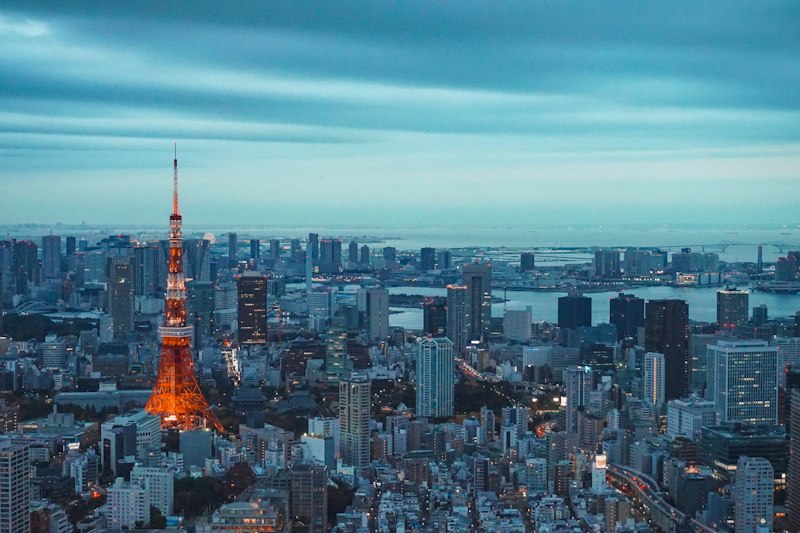
Once you've cleared the gates, flashed your ticket, and pocketed your 1,000-yen dining vouchers, you're free to dive in! Nabana no Sato is essentially laid out in a massive loop around a central lake. The park strongly suggests (and staff with light wands will enforce during peak times) following a specific counter-clockwise route to keep the crowd flow smooth.
Here are the specific, unmissable highlights of the 2026-2027 illumination.
The 200-Meter Tunnel of Light (The Main Attraction)
This is the moment. The image you've probably seen flooding your Instagram feed or plastered on travel posters. The "Tunnel of Light" (Hikari no Tonneru) is absolutely the crown jewel of Nabana no Sato.
- The Design: The tunnel spans a staggering 200 meters. What makes it unique is the shape of the LEDs. Instead of standard bulbs, each of the hundreds of thousands of LED lights is encased in a tiny plastic housing shaped like a lotus flower petal.
- The Effect: Because of the flower-shaped bulbs, the light is diffused, creating a soft, incredibly warm, golden-champagne glow. Walking through it feels like stepping into an infinite passage of pure, shimmering gold.
- Photography Tip: Pro-tip for photos: Everyone jams up right at the tunnel entrance for selfies, creating a massive bottleneck. Don't fall for it! Keep walking. The tunnel's a full 200 meters, and it usually clears out significantly towards the middle, giving you far better photo ops without a sea of heads. (Note: Tripods are generally prohibited inside the tunnel).
The Themed Main Area
Immediately after exiting the golden Tunnel of Light, the path opens up into a vast, sprawling field. This is the Main Illumination Area.
Every single year, Nabana no Sato outdoes itself, building a colossal, brand-new LED light-mapping display in this field, all centered around a unique theme. Past themes have included:
- Mount Fuji (featuring changing seasons)
- Kumamoto Prefecture (featuring Kumamon and Kumamoto Castle)
- The Golden Pyramid of Egypt
- The Golden Ship on a Sea of Clouds
For the 2026-2027 season, a massive new theme will be unveiled on October 17. This isn't just a static display; it's a synchronized, animated spectacle. Millions of computer-controlled LEDs shift colors, run animations, and dance to sweeping orchestral music. The show operates on a continuous loop lasting roughly 5 to 7 minutes.
- Viewing Tip: There is a large, two-story wooden observation deck located at the back of the field. Climb to the second floor for an unobstructed, panoramic view of the entire light show.
The Kawazu Sakura Light Tunnel (The Secondary Tunnel)
After leaving the Main Theme Area, you will enter a second, slightly shorter tunnel (usually 100 meters long). While the main tunnel is always golden, this secondary tunnel changes its color scheme every year to match a sub-theme—often green for "spring," blue for "water," or pink for "cherry blossoms."
During late February and March, the park's actual Kawazu cherry trees (an early-blooming variety with deep pink petals) begin to bloom. They are spectacularly illuminated at night, creating a natural tunnel of glowing pink flowers that rivals the LED displays.
The River of Light (Hikari no Taiga)
As you loop back toward the center of the park, you will encounter the central lake. This lake features the largest water illumination in Japan. Known as the River of Light, the display consists of millions of LEDs draped across the water's surface and the surrounding riverbanks, gently pulsing to classical music.
At the far end of the lake sits a picturesque, European-style chapel. The reflection of the illuminated chapel and the surrounding autumn maple trees (or spring cherry blossoms) on the perfectly still surface of the lake? Absolutely breathtaking.
The Sea of Clouds (Unkai)
Added in recent years and continually updated, the Sea of Clouds path utilizes low-lying, artificial mist combined with blue and white LEDs to create the illusion that you are walking through the sky. Special "crystal" archways straddle the path, making it a hotspot for couples.
Island Fuji (The Moving Observation Deck)
Spot that bizarre, glowing UFO-like structure rising into the sky from almost anywhere in the park? That's "Island Fuji," an elevated observation deck.
- How it works: You board a circular viewing platform on the ground. Once the doors close, the entire platform is hoisted 45 meters into the air. At the top, the deck slowly rotates 360 degrees, giving you a bird’s-eye view of the entire illuminated park, as well as the distant skyline of Nagoya and the surrounding bay area.
- Cost: You'll need an extra ticket for Island Fuji (usually 600 yen for adults), but here's a secret: you can typically use your 1,000-yen Nabana Coupon for it!
- Tip: The line for this can get very long right after the lights turn on. Ride it either early in the afternoon before sunset, or late in the evening right before the park closes.
6. The Begonia Garden (A Must-See Addition)
Don't make the common mistake of thinking Nabana no Sato is only for the night lights. Arriving a few hours before sunset is a smart move, not just to dodge the worst of the crowds, but to truly experience the Begonia Garden.
- What is it? The Begonia Garden is a massive, 9,000-square-meter network of climate-controlled greenhouses. Inside, over 12,000 flowers (primarily massive, vibrant begonias from the Andes mountains) are in full bloom 365 days a year.
- The Atmosphere: These aren't just flowers in pots. They hang from the ceilings in massive, cascading chandeliers of vibrant reds, pinks, yellows, and whites. Pathways snake through thousands of trailing vines.
- The Mirror Pond: The greenhouse's grand finale is a perfectly still pond that acts as a flawless mirror, reflecting an entire wall of brilliantly colored begonias. It's hands down one of the most Instagrammable spots in the park, day or night.
- Admission: Entry to the Begonia Garden usually requires a separate admission fee (historically around 1,000 yen). However, this is the perfect spot to use that 1,000-yen Nabana Coupon bundled with your admission ticket. (During peak Christmas/Winter tiers, Begonia Garden admission is often bundled into the higher ticket price by default).